SKIP TO MAIN
NWAF.org
President's Corner
    • About
    • History
    • Wealth Acknowledgment
    • Values
    • Financials
    • Staff
    • Board
    • FAQs
    • Policies
    • Approach
    • Priority Communities
    • Justice, Equity, Diversity, and Inclusion
    • Native-Led Work
    • Native CDFIs
    • Impact Investing
    • Our Grantmaking
    • Grant Search
    • Grant Listings
    • Current Grantees
    • For Grantseekers
  • Engage
  • News & Insights

News & Insights


General Updates, Grantees & Grantmaking | January 13, 2021

Learn About the Power of Equitable Food Systems

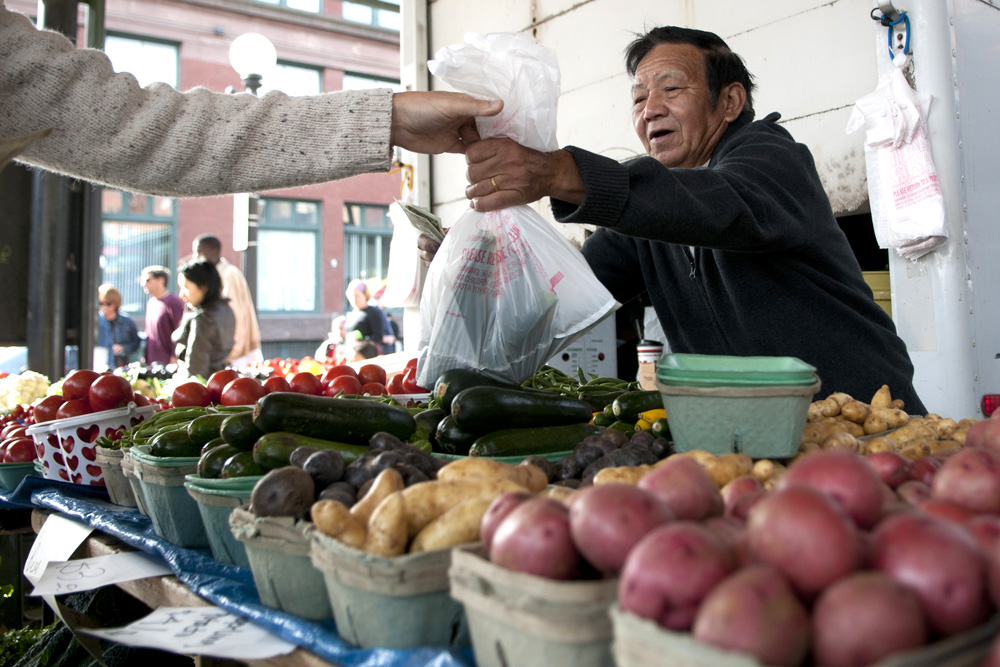
Hmong farmer at St. Paul Farmers market

Program Officer Martin Jennings introduces a new report showcasing successful efforts to create equitable food systems.

Building equitable food systems drives health and creates economic prosperity—benefits that are relatively transparent. It may be less immediately obvious how equitable food systems also build relationships, trust, and unity among diverse communities. A new report shares powerful stories that explore all these benefits.

In recent months, several national and community-led organizations throughout our Foundation’s region—from Washington and Oregon to Minnesota, have been exploring how community-based food systems have responded to the interconnected crises of 2020. The result is a digital report: The Power of Community-Based Food Systems: Lessons in resilience, carrying on deep-rooted traditions, and building community power in the COVID-19 era.

Current food systems rely on a legacy of extraction and exploitation.

The COVID-19 pandemic has exposed the fragility and destructiveness of our current industrialized food system, which too often exploits land and labor. Today’s global food chain relies on low-paying, high-risk jobs that are often held by people experiencing stiff barriers to other employment choices.

A disproportionately high number of these workers come from our priority communities: Native Americans, communities of color, immigrants, refugees, and people in rural areas. This is no coincidence. It’s but one example of how food systems and their labor practices lead to harmful impacts based on race.
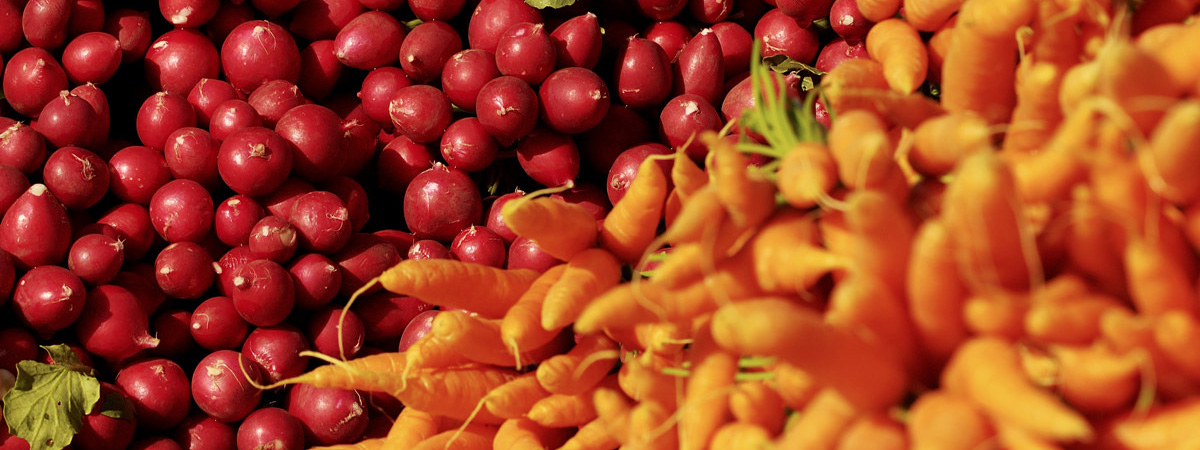
The pandemic has further exposed the impact of these practices, as many workers have been classified as essential, leaving them with few choices but to keep working—often in close quarters and without appropriate personal protective equipment. Their health risk is even higher when we consider these same workers are likely to have inadequate health care options.

Today’s global food chain relies on low-paying, high-risk jobs that are often held by people experiencing stiff barriers to other employment choices. A disproportionately high number of these workers come from our priority communities: Native Americans, communities of color, immigrants, refugees, and people in rural areas. 

Community-led organizations are forging powerful solutions to restore community well-being.

Alongside its many challenges, the pandemic has also highlighted the strength, flexibility, and resilience of community-based food systems.

The report showcases seven case studies about organizations that advance community-based food systems and nourish communities on multiple levels. Each story illustrates how local food systems can be catalysts for resistance, self-determination, and sovereignty.

The goal is to raise awareness of, and increase investment in, the many organizations that are leading the way to more equitable, just, vibrant, and resilient food systems.

Equitable food systems support vibrant communities by generating good food in ways that are sustainable, healthy, and create better outcomes for our priority communities. Often, this involves connecting communities to their culture through more traditional approaches to food production, processing, and preservation. Equitable food systems contribute to the larger goal of equitable economies, where prosperity is defined by local communities and shared by all.

Read the stories of community-led organizations advancing equitable food systems in the Northwest.

The Partners Supporting the Movement

The Power of Community-Based Food Systems was created by the Food Systems Leadership Network, through a partnership among:

Dream of Wild Health, an intertribal nonprofit based in Minneapolis, works to restore health and well-being in the Twin Cities Native community by recovering knowledge of and access to healthy Indigenous foods, medicines, and lifeways.

Ecotrust, a Portland, OR–based nonprofit, fosters a natural model of development to create more resilient communities, economies, and ecosystems.

Lake County Community Development Corporation in Lake County, MT, offers financial, business, and community development services, including a food business incubator and processing center, for three Montana counties and the Flathead Indian Reservation.

Real Food Media, a women co-led organization with one of its three national offices in Minneapolis, provides strategic communications support to organizations working toward food justice and food sovereignty.

Wallace Center, a national organization, is a leader in the development of regional farming and food systems.


Northwest Area Foundation and the W.K. Kellogg Foundation helped fund the effort.

Share This Page

Tags: Resources

MORE INSIGHTS FROM NORTHWEST AREA FOUNDATION

  • Grantees & Grantmaking | May 20, 2026

    Q1 Grants: Prepare + Prosper Unlocks Financial Well-Being for All

    Read Article
  • General Updates | April 20, 2026

    Welcome to Director of People and Culture Alli Naithani and Program Officers Maya Beecham and Melissa Rudnick

    Read Article
  • Grantees & Grantmaking | February 25, 2026

    Video: CEO Kevin Walker—Doubled Funding for 2025 to Continue in 2026

    Read Article

INSIGHTS IN YOUR INBOX

NWAF
  • Job Opportunities
  • Media Inquiries
  • Policies
  • Accessibility
  • Contact Us

Northwest Area Foundation, 60 Plato Blvd. E., Suite 400, St. Paul, MN 55107. ©2026 Northwest Area Foundation. Privacy Policy

  • (651) 224-9635
×

Get updates in your inbox.

Sign up to get updates about the latest news, stories, and insights from the Northwest Area Foundation.

What are you interested in getting updates for?