SKIP TO MAIN
NWAF.org
President's Corner
    • About
    • History
    • Wealth Acknowledgment
    • Values
    • Financials
    • Staff
    • Board
    • FAQs
    • Policies
    • Approach
    • Priority Communities
    • Justice, Equity, Diversity, and Inclusion
    • Native-Led Work
    • Native CDFIs
    • Impact Investing
    • Our Grantmaking
    • Grant Search
    • Grant Listings
    • Current Grantees
    • For Grantseekers
  • Engage
  • News & Insights

News & Insights


JEDI, Strategic Approach | December 8, 2021

What the Foundation’s New Values Mean: Listen and Learn for Change

Person attending a meeting in Seattle

Listening and Learning for Change isn’t just aspirational. It’s a commitment. It requires humility, courage, conviction, and listening with intention.

We’re committed to shifting systems and structures that hold inequities in place. This requires us to question our own worldviews as we seek solutions that honor one another and our priority communities.

How we do things now doesn’t have to be how we’ll always do things.

Eight years ago, we committed to a grantmaking approach that centered good jobs and financial capability as the basis for funding sustainable prosperity in low-income communities. Over the course of implementing that approach, we continued to connect with grantees and other stakeholders to further understand what was needed for sustainable prosperity to be possible and what prosperity means to different communities.

Opportunities to listen and learn are vital to guiding how we work, and they keep us flexible and willing to pivot when needed.

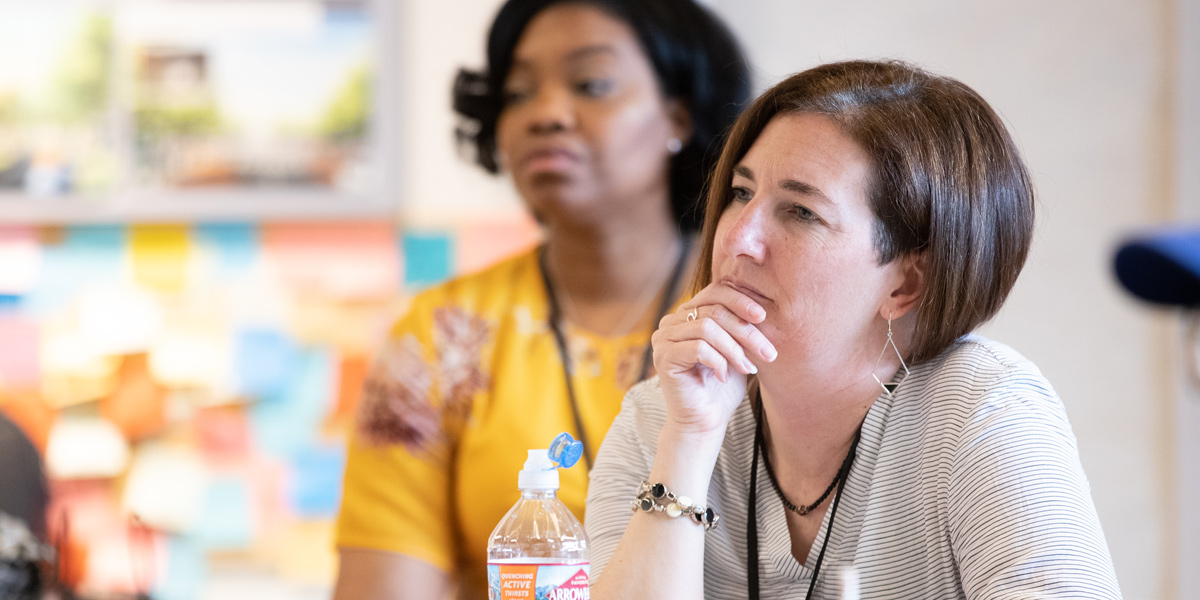
In the past few years, we’ve evaluated the successes and challenges of our grantmaking. And in the process, we’ve been engaging a group of grantees and peer funders. What we’ve heard from them has provided deep insight into what’s working and what we can improve as we finalize and build out our approach. Such opportunities to listen and learn have been vital to guiding how we work.

Listening and learning for change also keeps us flexible and willing to pivot when needed.
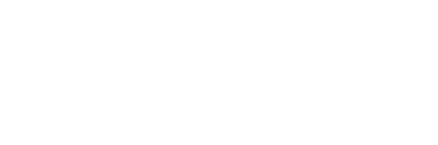
More recently, the pandemic pushed us to rapidly act on what we were hearing from grantees, which led us to adapt much of our grantmaking so that our grantees could continue supporting already vulnerable communities in the midst of social and economic crises.

Conditions and environments are constantly changing for our grantees. They are doing the work on the ground, so we’ll be continuing to listen to their needs and adapt our approach to help support their work.

Listening and learning is about being open to new ideas.

It takes practice to learn something new, and it takes an open mind to listen to something new. Listening to someone who has similar viewpoints is easy. It’s familiar. But listening to the same things over and over means we aren’t learning anything new.

It’s our responsibility to educate ourselves, which starts with listening and learning. Listening in a spirit of “not knowing” isn’t a bad thing. It gives us the opportunity to learn and grow. One of our consultants relayed a very true statement: “Living things grow, and growing things change.”

As we develop and improve internal systems and policies, listening to and understanding everyone’s needs is important. So we’ve implemented some processes through which we can share and learn from each other.

Recently, “pop-up” listening sessions have given staff the opportunity to provide input or feedback around recent or upcoming decisions. These conversations have ranged from how we can rethink safety in the office in the wake of the pandemic to getting staff input about what our organizational goals should be for the coming year.

One staff-generated idea was about how we approach our holiday policy, with the proposal to allow individual staff members to choose the holidays or dates that had personal significance to them. The proposal reflected our commitment to diversity, equity, and inclusion (DEI) by moving toward a policy that’s more inclusive of the diversity of holidays staff might celebrate. We’ll be living into this policy in 2022.

As staff are able to express themselves and give their opinions, we build trust, create a more positive work culture, and encourage staff to stay engaged.

Our organizational culture continues to evolve along with our DEI journey.

During 2021, we’ve begun to use a new tool to center racial equity in our decision-making process: the Racial Equity Magnifier (REM). It’s helping us listen and learn for change by guiding us to ask useful questions about DEI and encouraging us to actively listen with an open heart and mind.

Through the REM, staff explore one another’s worldviews, dominant perspectives, and how to include absent narratives so that we can better advance racial equity.

This exercise represents a collaborative process for change. It encourages staff to be honest, to trust each other, and to lean into difficult conversations. It incorporates the voices of staff from various backgrounds, allowing us to hear and understand multiple points of view, especially those that can often be underrepresented.

Our ability to then reflect on what we’ve learned and apply it is the key to growth and change, ensuring that racial equity and racial justice ground the work we do.

See the full listing of our values
Read our recent blog about another value: Courage
Share This Page

Tags: Diversity, Equity, Inclusion

MORE INSIGHTS FROM NORTHWEST AREA FOUNDATION

  • JEDI | April 1, 2026

    Our 2025 JEDI Annual Impact Report Is Here!

    Read Article
  • Grantees & Grantmaking | February 25, 2026

    Video: CEO Kevin Walker—Doubled Funding for 2025 to Continue in 2026

    Read Article
  • Grantees & Grantmaking | December 18, 2025

    2025: Supporting Changemakers in Challenging Times

    Read Article

INSIGHTS IN YOUR INBOX

NWAF
  • Job Opportunities
  • Media Inquiries
  • Policies
  • Accessibility
  • Contact Us

Northwest Area Foundation, 60 Plato Blvd. E., Suite 400, St. Paul, MN 55107. ©2026 Northwest Area Foundation. Privacy Policy

  • (651) 224-9635
×

Get updates in your inbox.

Sign up to get updates about the latest news, stories, and insights from the Northwest Area Foundation.

What are you interested in getting updates for?