SKIP TO MAIN
NWAF.org
President's Corner
    • About
    • History
    • Wealth Acknowledgment
    • Values
    • Financials
    • Staff
    • Board
    • FAQs
    • Policies
    • Approach
    • Priority Communities
    • Justice, Equity, Diversity, and Inclusion
    • Native-Led Work
    • Native CDFIs
    • Impact Investing
    • Our Grantmaking
    • Grant Search
    • Grant Listings
    • Current Grantees
    • For Grantseekers
  • Engage
  • News & Insights

News & Insights


Grantees & Grantmaking | August 6, 2026

AEDS Is Stabilizing Systems for Thriving Communities

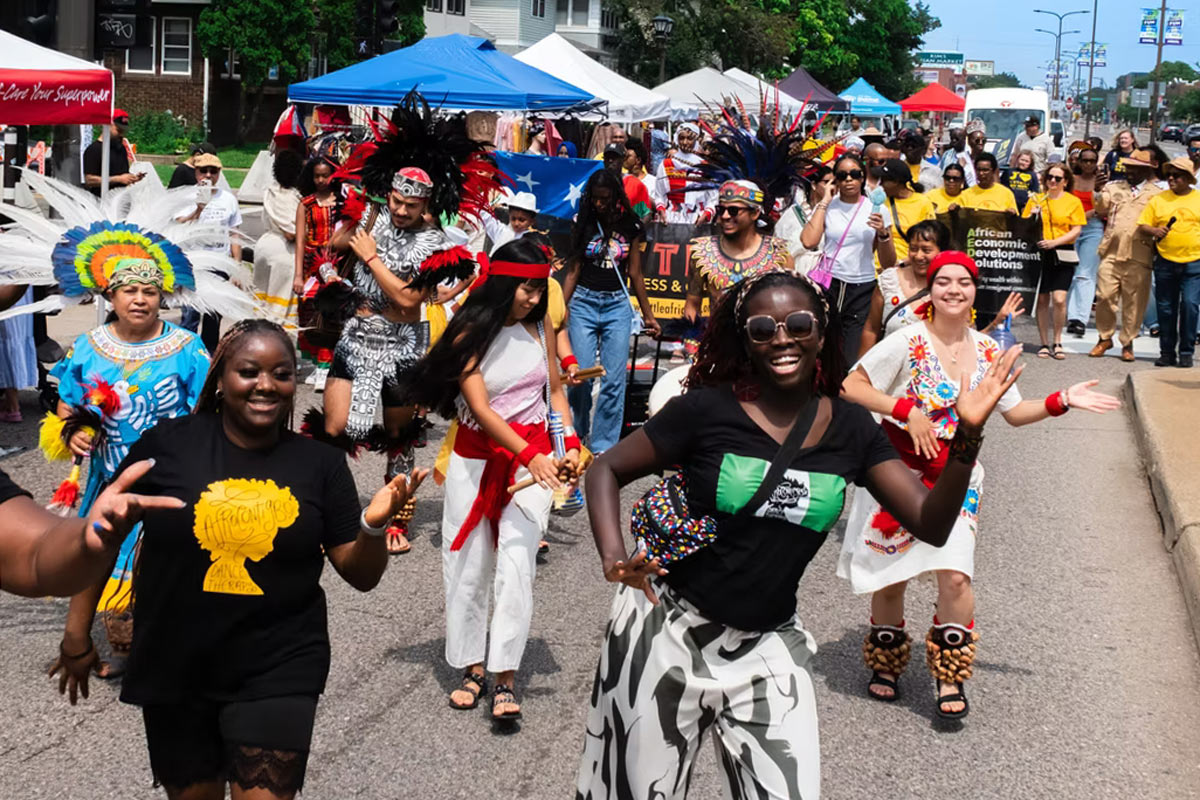
2025 Little Africa Parade & Festival
Performers parade in Hamline Park at the 2025 Little Africa Parade & Festival, encouraging the revitalization of the area for African businesses, culture, and communities. Photo courtesy of AEDS.

How one community-led lender is expanding opportunity and building systems that work for everyone.

We believe communities are best positioned to shape their own futures. That’s why we invest in organizations that expand access to opportunity and help create systems where everyone has the chance to thrive. It’s one way we support work toward justice, where people’s opportunities and outcomes aren’t determined by their race, where they live, or how much money they have.

One place where that work is taking shape is Little Africa, a thriving cultural and business district in St. Paul’s Hamline-Midway neighborhood.

Over the past decade, African immigrants have transformed this corridor into a destination filled with restaurants, shops, markets, and small businesses. While the neighborhood has grown, many entrepreneurs have continued to face barriers that make it hard to access capital, navigate public systems, and recover from economic setbacks. African Economic Development Solutions (AEDS) exists to change that.

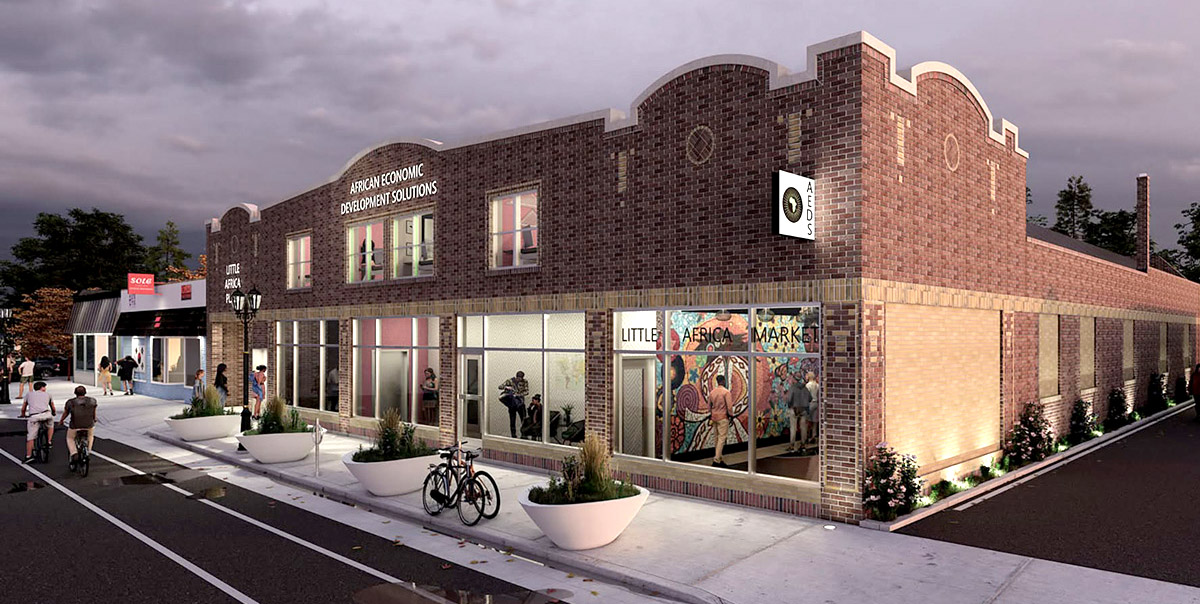
AEDS headquarters

AEDS headquarters in St. Paul’s Hamline-Midway neighborhood. Photo courtesy of AEDS.
By supporting entrepreneurs, AEDS’s work overcomes the barriers to lasting change.

As a community development financial institution (CDFI) and place-based micro-lender, AEDS helps entrepreneurs access financing, build financial capability, become homeowners, and strengthen neighborhoods. Just as importantly, it helps ensure business owners have a voice in shaping the policies and systems that affect their communities.

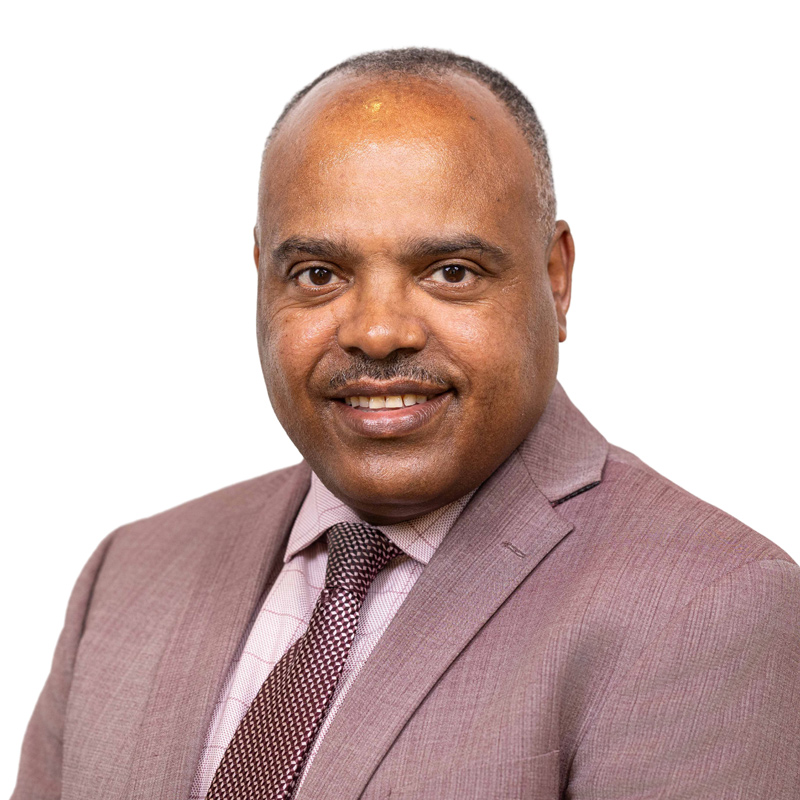
Founder, President, and CEO Gene Gelgelu, MBA, PhD, started AEDS in 2008 after arriving in Minnesota from Ethiopia nearly 30 years ago, as he says, “not knowing the snow.” Today, AEDS has become a trusted partner for entrepreneurs across Minnesota and, more recently, Oregon.

We often talk about creating systems that work for everyone. AEDS shows what that looks like in practice. AEDS expands access to capital, helps entrepreneurs build wealth, and ensures community members have a say in decisions that affect their lives. This counteracts systemic barriers and creates lasting change.

Cully Park neigborhood, Portland, OR

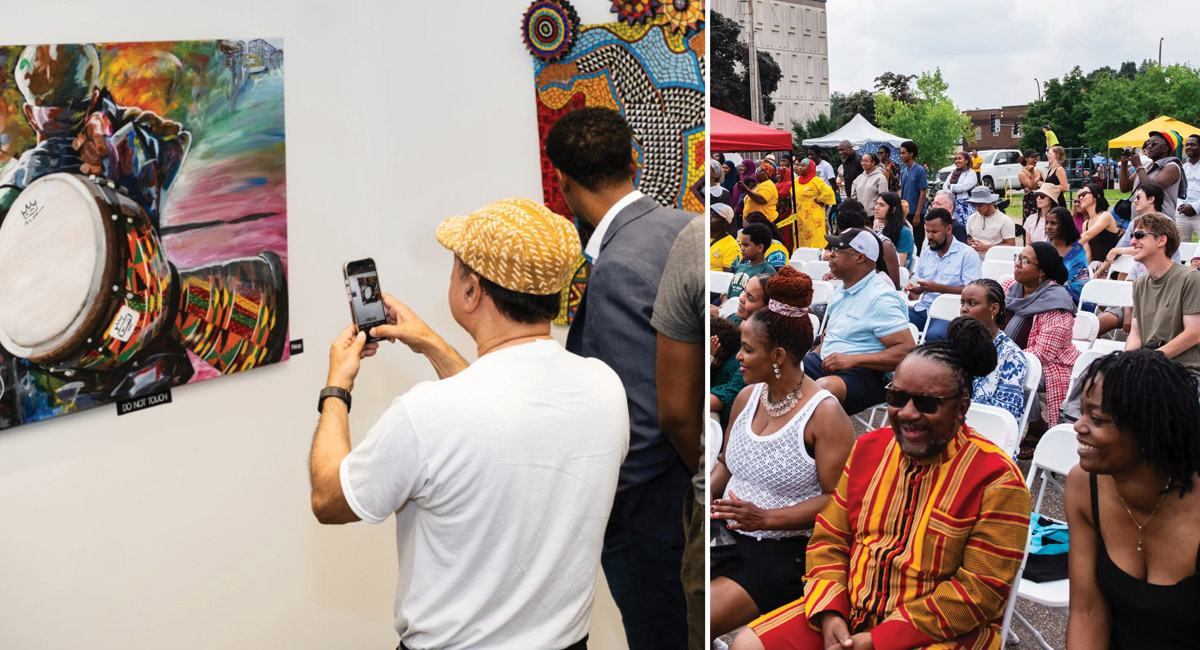
(Left) Visitors view an art exhibition at AEDS’s African Museum. (Right) Participants at the 2025 Little Africa Parade & Festival enjoy music, art, vendors, and African fashion at Hamline Park in St. Paul, MN. Photos courtesy of AEDS.
A thriving neighborhood starts by investing in the people who call it home.

While AEDS serves communities across Minnesota, its work demonstrates the value of community-centered economic development in strengthening local neighborhoods. In 2013, AEDS launched the Little Africa cultural and business district at the intersection of Hamline and University Avenue North. The first Little Africa Festival followed the next year and has drawn more than 10,000 people each August.

“We see art and culture as assets for economic development,” Gelgelu says. “That’s what sets us apart from other CDFIs.”

The work extends far beyond a festival. AEDS renovated its own building in the neighborhood and opened an African Museum in 2025 with daily programming. The building also houses a grocery deli operated by nine women and provides affordable retail space where start-up entrepreneurs can launch their first businesses.

These investments help create something bigger than individual success stories. They build places where businesses, culture, and community strengthen one another.

“We see art and culture as assets for economic development. That’s what sets us apart from other community development financial institutions (CDFIs).”

Gene Gelgelu, MBA, PhD
Founder, President, and CEO, AEDS
AEDS responded to unprecedented challenges by meeting community needs with flexibility.

Yet, like many places, that strength was tested in 2020. The pandemic and civil unrest following George Floyd’s murder devastated immigrant-owned businesses throughout Hamline-Midway and along Lake Street in Minneapolis. Many businesses were destroyed or displaced, and many did not recover.

Gelgelu remembers speaking with one restaurant owner while he watched his building burn.

“I asked him where he was, and he said, ‘I’m in front of my building,’” Gelgelu recalls. “I told him, ‘This is what the world is right now. Tomorrow is different. Just save your life.’”

With AEDS’s support, that business owner eventually rebuilt and even expanded his restaurant.

“This is not just about philanthropy. It’s beyond philanthropy. It’s acknowledging that humans exist.”

Gene Gelgelu, MBA, PhD
Founder, President, and CEO, AEDS
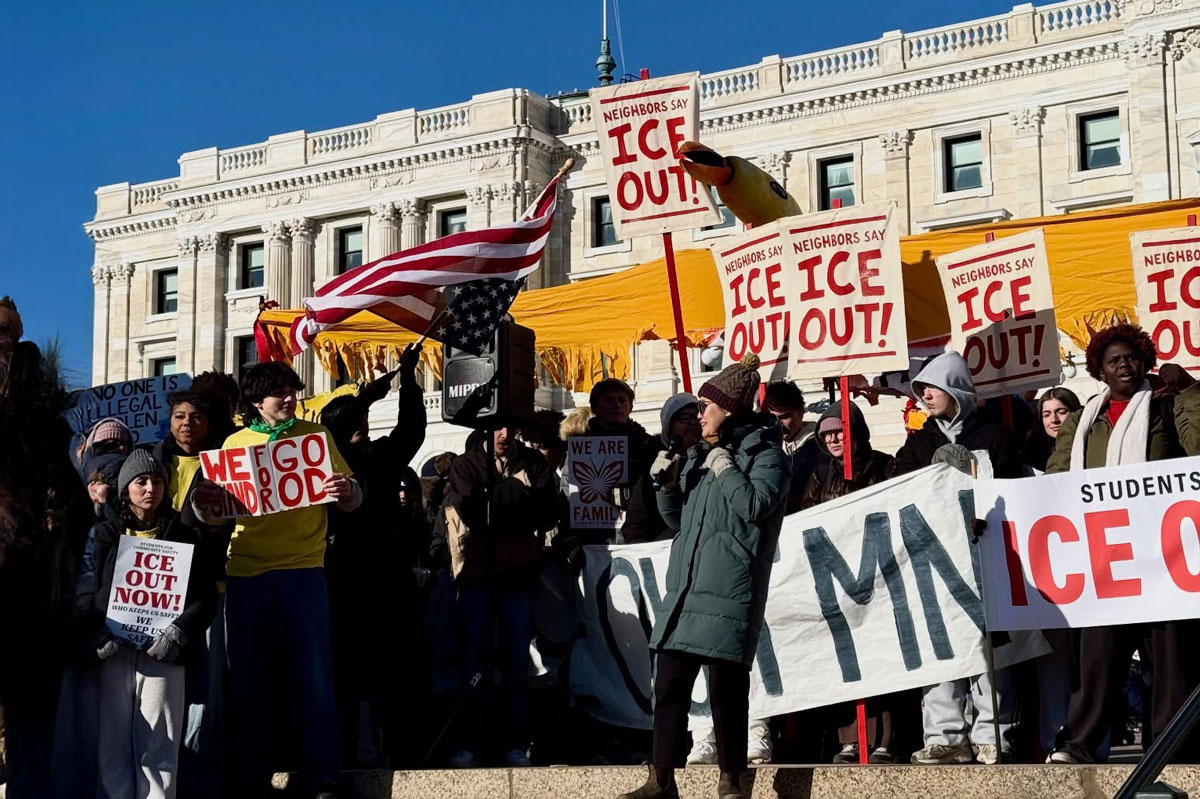
Five years later, a different kind of fear moved through the same streets. Immigration enforcement had employees scared to show up for work and kept customers off the street. Businesses lost revenue with no way to recover it.

Our foundation helped seed a $50,000 emergency fund, which AEDS used to leverage additional support from other foundations. AEDS established an advisory council comprising community members to govern the fund and make transparent decisions on where grants would go. Forty-two small businesses each received grants of about $5,000, and every dollar raised went directly to business owners.

According to Gelgelu, one grant recipient cried when she got the news. She told AEDS that no one else had offered her any support or financial assistance.

“This is not just about philanthropy. It’s beyond philanthropy. It’s acknowledging that humans exist,” he says.

Although the immediate crisis has eased, uncertainty remains. In response, AEDS made the difficult decision to cancel the 2026 Little Africa Festival and redirect those resources toward emergency support for struggling businesses.

AEDS financed realtor Aswat Ghebremedhin

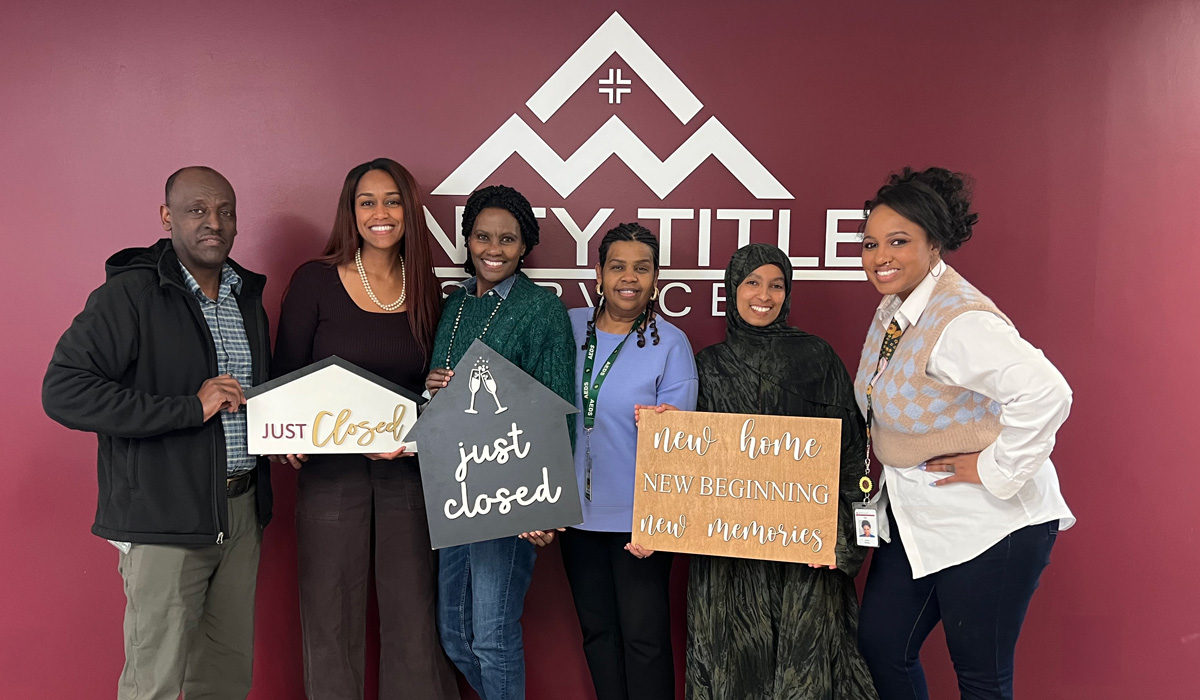
AEDS financed Realtor Asnat Ghebremedhin (second from left) when no other lender would, enabling her to purchase a building that is now fully rented. Photo courtesy of AEDS.
Access to capital can change the trajectory of a family for generations.

One of the biggest barriers entrepreneurs face is access to financing.

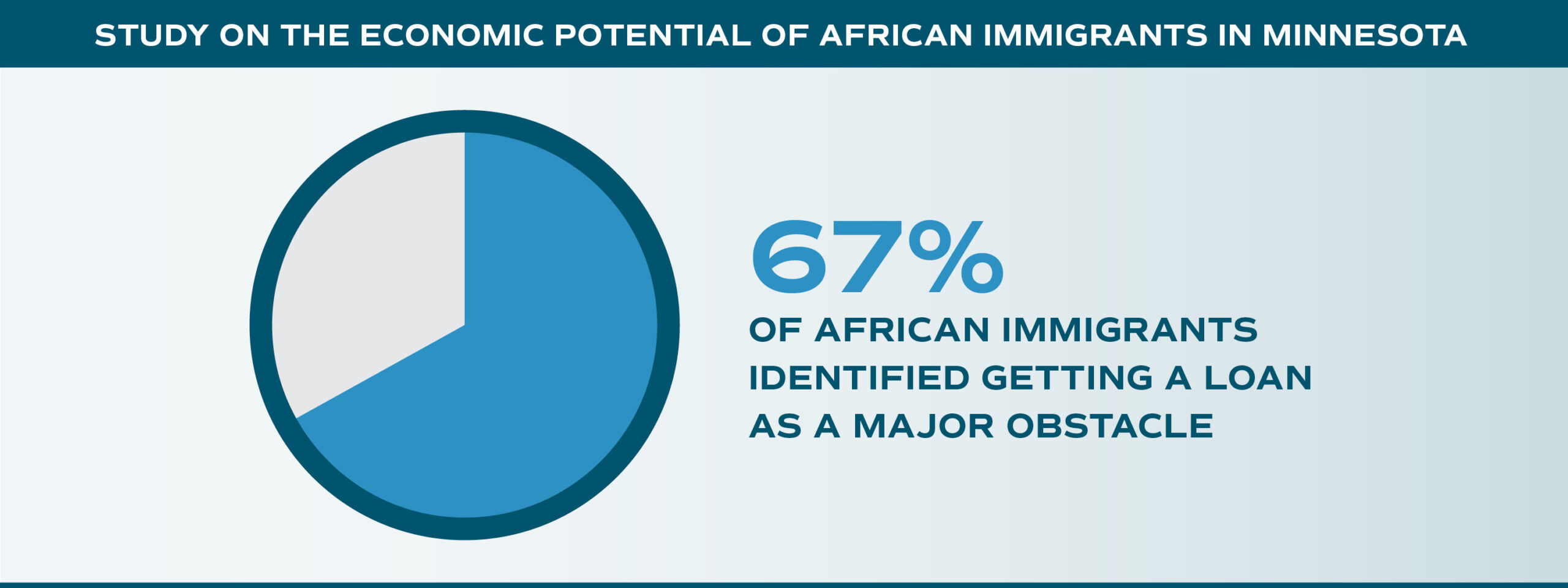
A 2015 study on the economic potential of African immigrants in Minnesota, conducted by Bruce P. Corrie, PhD, with Concordia University-St. Paul, found that 67 percent of African immigrants identified getting a loan as a major obstacle.

Gelgelu sees those barriers every day.

Cully Park neigborhood, Portland, OR

“A highly educated and entrepreneurial realtor with a 700+ credit score was rejected or ignored by nearly 60 local and national lenders, despite it being a lower risk loan,” he recounts. “AEDS financed her first real estate development project, which is now fully rented. It has transformed her financial life.”

Another entrepreneur with an established transportation business couldn’t secure financing despite having strong credit. AEDS made an initial $25,000 loan and increased its support as the business grew. Today, commercial lenders are approaching him to co-lend.

These stories reflect what makes AEDS different from other lenders.

“A highly educated and entrepreneurial realtor with a 700+ credit score was rejected or ignored by nearly 60 local and national lenders, despite it being a lower risk loan. AEDS financed her first real estate development project, which is now fully rented. It has transformed her financial life.”

Gene Gelgelu, MBA, PhD
Founder, President, and CEO, AEDS

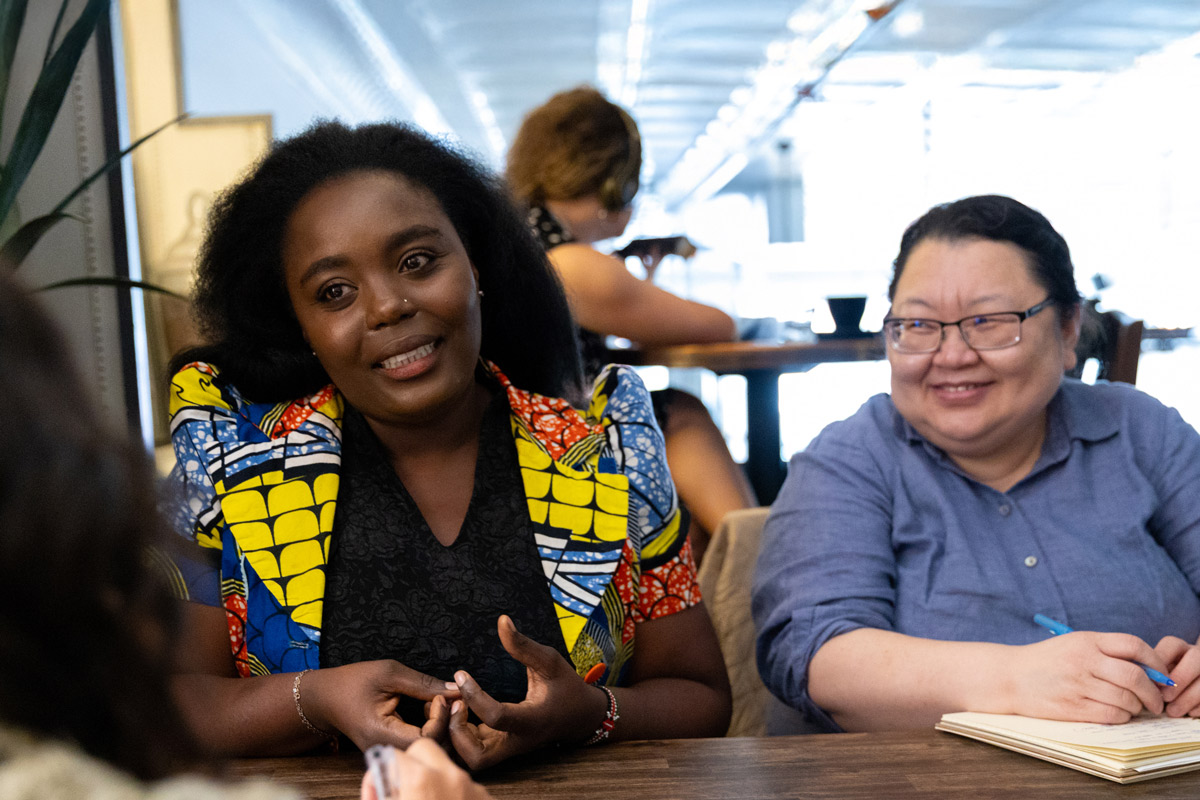
Entrepreneurs don’t simply receive a loan. They receive business planning, technical assistance, licensing support, marketing guidance, financial coaching, and more.
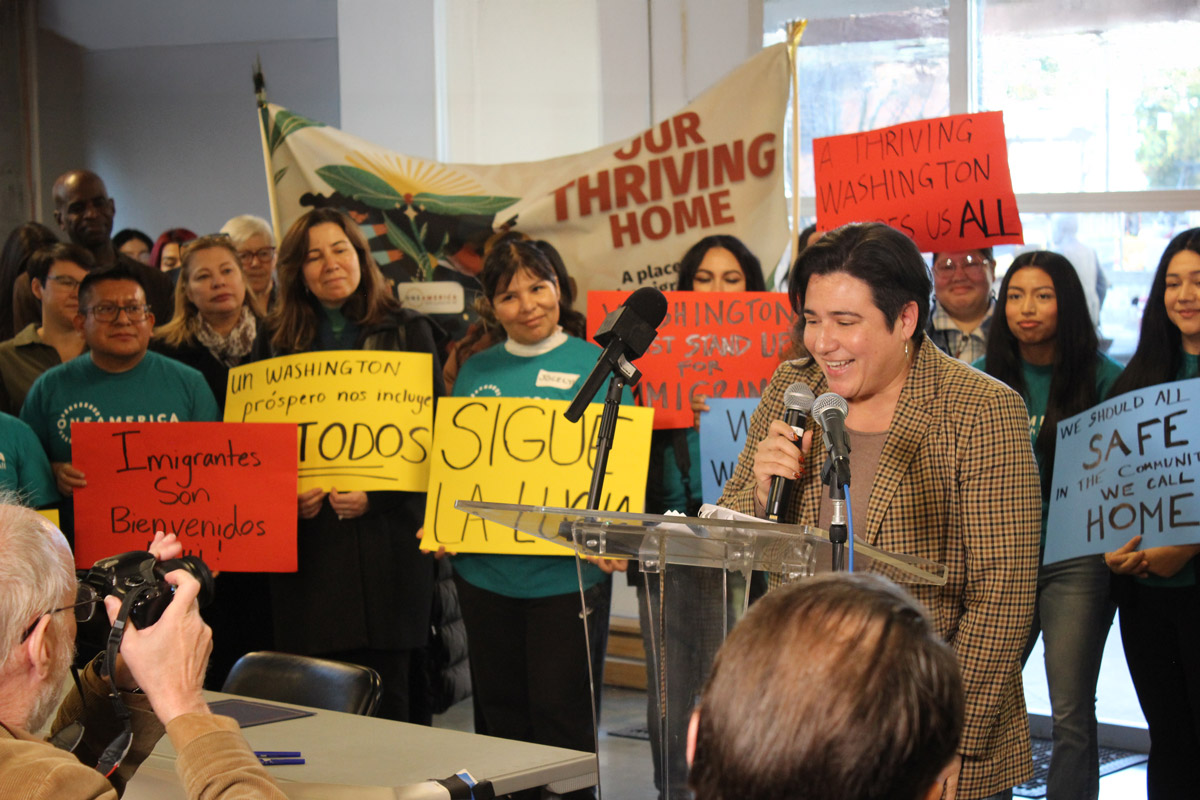
“When a business owner approaches us, they ask for a loan. What we do is package the loan within the overall training and support they need to succeed. The loan is not the first step; it’s the third step,” Gelgelu explains.

The approach recognizes that lasting economic opportunity depends on more than access to money. It depends on relationships, knowledge, and support that help businesses succeed over time.

Entrepreneurs don’t simply receive a loan. They receive business planning, technical assistance, licensing support, marketing guidance, financial coaching, and more.
Building stronger systems means helping communities develop assets that can secure their future.

In 2016, AEDS launched a revolving loan fund with a fundraising event held during one of Minnesota’s biggest snowstorms. Despite the weather, supporters showed up.

Today, that effort has grown into the Building Hope campaign, which aims to raise $20 million by 2029. The campaign is already more than halfway to its goal.

If successful, more entrepreneurs in Little Africa, and neighborhoods like it, will receive access to capital and opportunity. And ideally, they will own the buildings where they work instead of renting them. This goes for homeowners as well.

“This is about building generational wealth,” says Gelgelu. “Business owners and families who can own their own real estate build assets to pass to the next generation.”

When residents and business owners have access to capital, own property, and help shape the policies affecting their neighborhoods, they gain greater agency over their futures. Systems begin to work differently because the people who have historically been left out are helping build what comes next.

For more on AEDS’s work
Share This Page

Tags: African American Communities, Economic Justice, Immigrant and Refugee Communities

MORE INSIGHTS FROM NORTHWEST AREA FOUNDATION

  • Grantees & Grantmaking | June 24, 2026

    Video: Listening and Learning from Community in Idaho

    Read Article
  • Grantees & Grantmaking | May 20, 2026

    Q1 Grants: Prepare + Prosper Unlocks Financial Well-Being for All

    Read Article
  • Grantees & Grantmaking | February 25, 2026

    Video: CEO Kevin Walker—Doubled Funding for 2025 to Continue in 2026

    Read Article

INSIGHTS IN YOUR INBOX

NWAF
  • Job Opportunities
  • Media Inquiries
  • Policies
  • Accessibility
  • Contact Us

Northwest Area Foundation, 60 Plato Blvd. E., Suite 400, St. Paul, MN 55107. ©2026 Northwest Area Foundation. Privacy Policy

  • (651) 224-9635
×

Get updates in your inbox.

Sign up to get updates about the latest news, stories, and insights from the Northwest Area Foundation.

What are you interested in getting updates for?