
SKIP TO MAIN
NWAF.org
President's Corner
    • About
    • History
    • Wealth Acknowledgment
    • Values
    • Financials
    • Staff
    • Board
    • FAQs
    • Policies
    • Approach
    • Priority Communities
    • Justice, Equity, Diversity, and Inclusion
    • Native-Led Work
    • Native CDFIs
    • Impact Investing
    • Our Grantmaking
    • Grant Search
    • Grant Listings
    • Current Grantees
    • For Grantseekers
  • Engage
  • News & Insights

News & Insights


Grantees & Grantmaking | October 21, 2026

How Organizing and Advocacy Meet the Moment

LatinoLEAD's 2026 Avanzando Líderazgo Program
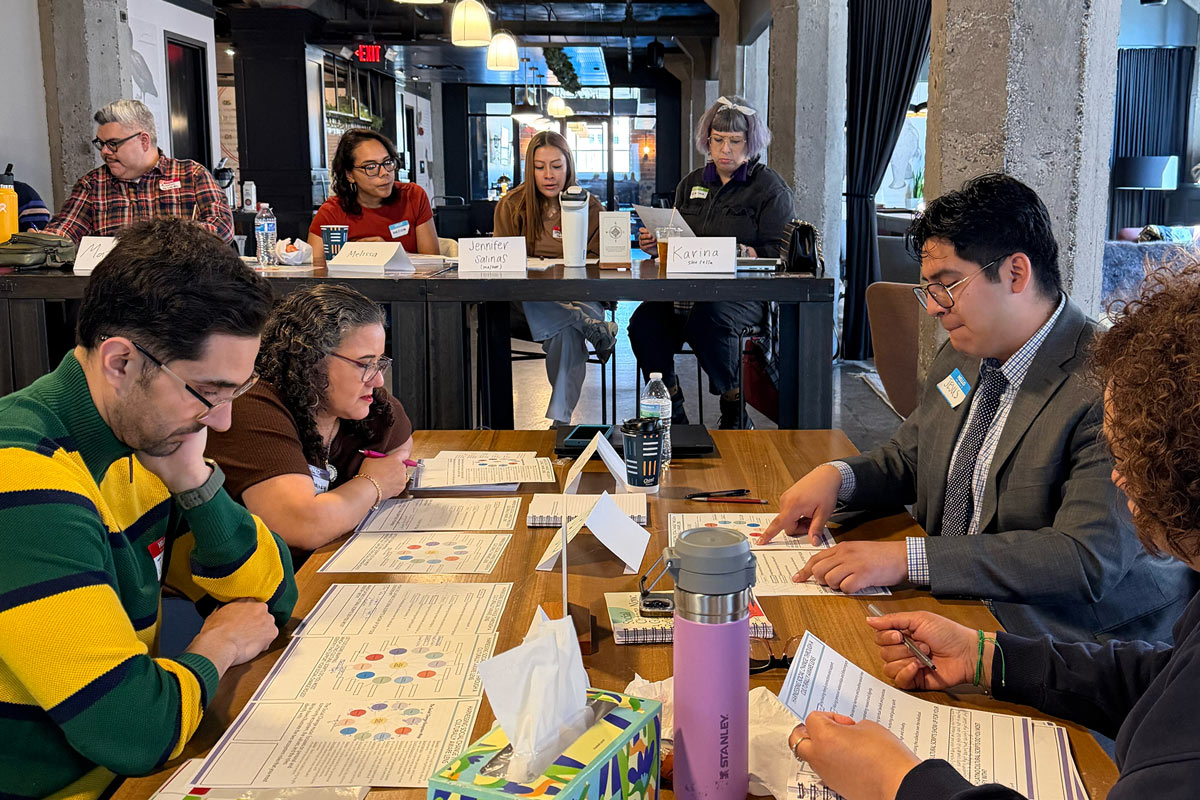
Fellows from LatinoLEAD's 2026 Avanzando Líderazgo Program engage in a workshop during one of their final cohort sessions. Photo by Melissa Vazquez.

Our grantee partners are pursuing change in ways that best serve their communities.

Míranos bien.
We’ve been here longer than the stories ever said.

Dreams in the soil. Roots in the earth.
Southern sun in our veins. North Star in our eyes.
Inside every face there’s a world unfolding.
A memory that traveled far, a vision still taking shape.

These are among the closing words of the short film Nuestro Norte (2026), delivered over a succession of close-ups: a teen, a mother, a toddler, a bearded man, an octogenarian with bright red lipstick, and others. They are, we understand in context, the Latino Minnesotans in which a world is unfolding.

Community-led organizing and advocacy is tailored to the specific needs of those it serves.

The Foundation supports organizing and advocacy efforts as an important way to support equal rights, opportunities, and access to the tools all individuals need to thrive. Our funding allows our grantee partners to direct how they drive change to meet their communities’ needs.

Their efforts take a range of forms: reframing stereotypical narratives, rebuilding inequitable systems, and strengthening equitable opportunities.

For example, Nuestro Norte is a film that challenges the limited (and limiting) dominant narratives by offering firsthand accounts of Latino leaders woven with joyful magical realism. It’s a creative advocacy strategy chosen by our grantee partner Minnesota Humanities Center (MHC) in collaboration with LatinoLEAD.

Two other current grantee partners, Iowa Migrant Movement for Justice (Iowa MMJ) and North Dakota Native Vote (NDNV), are pursuing organizing and advocacy through different approaches tailored to the needs of the communities where they’re rooted.

These three organizations share a drive to advocate for justice in ways that respond to the specific needs and strengths of their communities, which are all experiencing the repercussions of historical and ongoing harm based on race. While their approaches differ, their goals harmonize.

Nuestro Norte

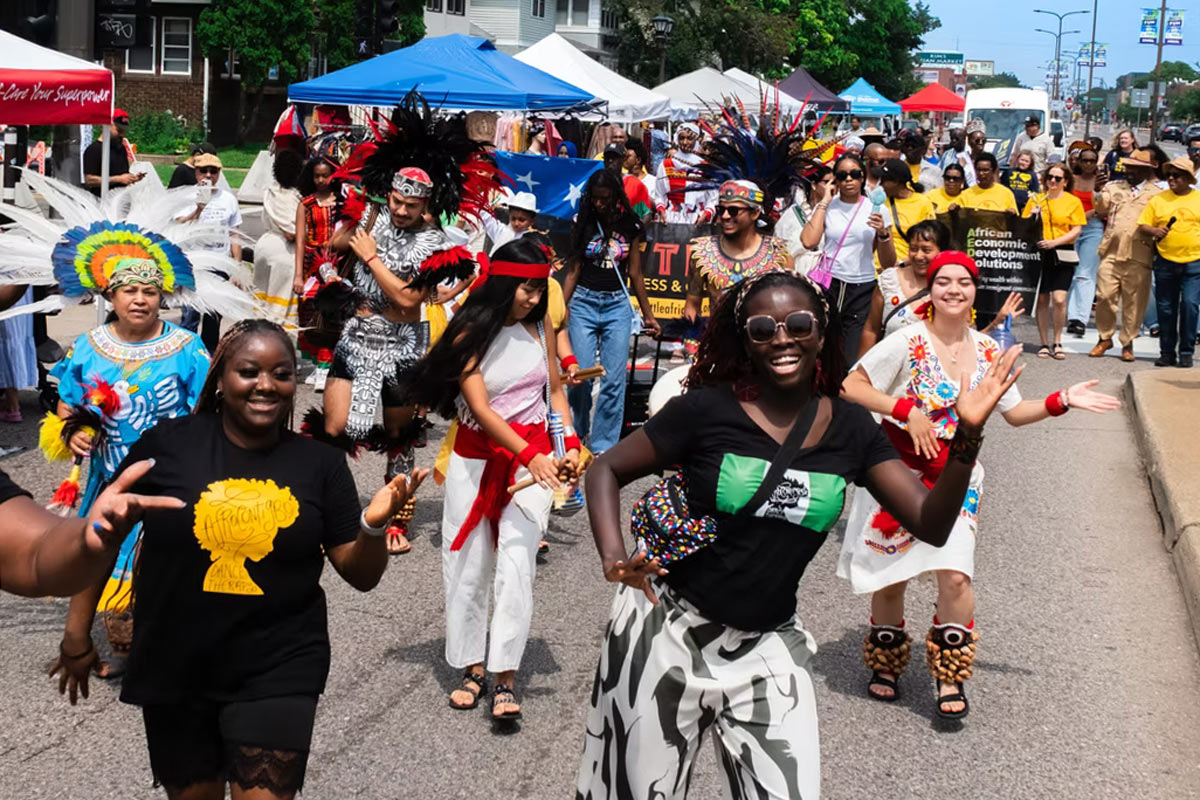
Stills from the short film Nuestro Norte (clockwise from left): José Blanco performs “Alma Llanera,” a Venezuelan joropo; Aiyana Sol Machado and Tearra Oso perform “Campo,” a Puerto Rican bomba song; Maria Fernanda Rivas and Andres Moctezuma interpret a couple moving into their first home in 1950s St. Paul; Natalia Flores leads a hip-hop-meets-cumbia dance performance. Photos courtesy of Martín Blanco, MHC, LatinoLEAD, Dual Studios, and CATATUMBO.
Latino Minnesotans deserve narratives that better represent their community.

Though they make up 6 percent of the state population, Latino Minnesotans are significantly underrepresented in leadership, business, and media. Nuestro Norte, now appearing in film festivals around the country, comes out of the shared efforts of a network of Latino leaders across Minnesota through MHC and LatinoLEAD. The two nonprofits joined forces to challenge the limiting narratives about Latino communities in the state.

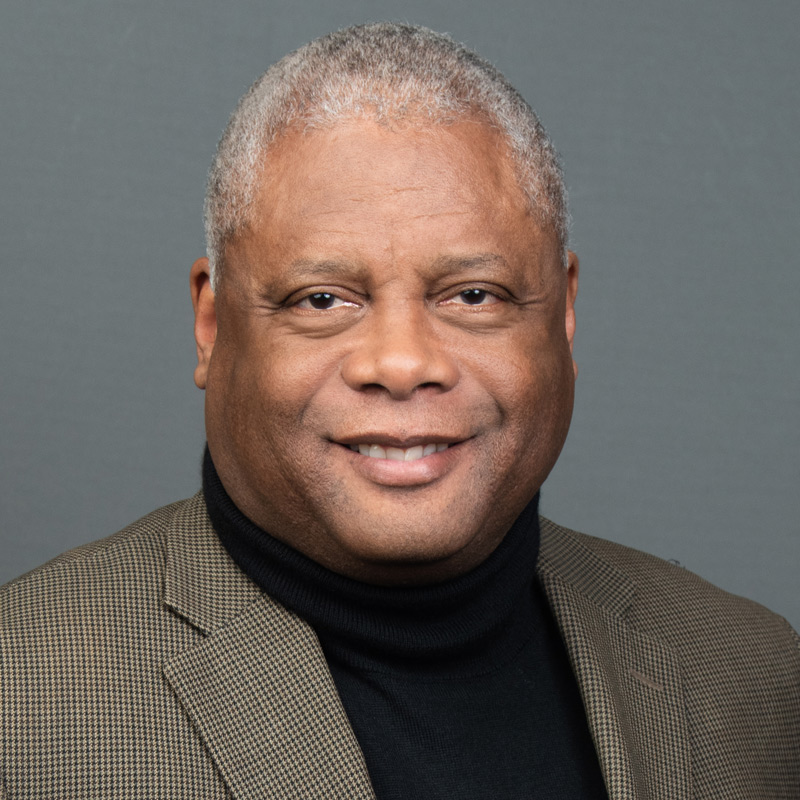
“Ensuring that individuals and communities have opportunities to be heard on their own terms is integral to MHC’s mission,” says Kevin Lindsey, MHC’s CEO. “Sharing our hopes, dreams, and stories with one another helps us imagine and build a society where all have the opportunity to thrive.”

Kevin Lindsey

“Sharing our hopes, dreams, and stories with one another helps us imagine and build a society where all have the opportunity to thrive.”

Kevin Lindsey
CEO, MHC
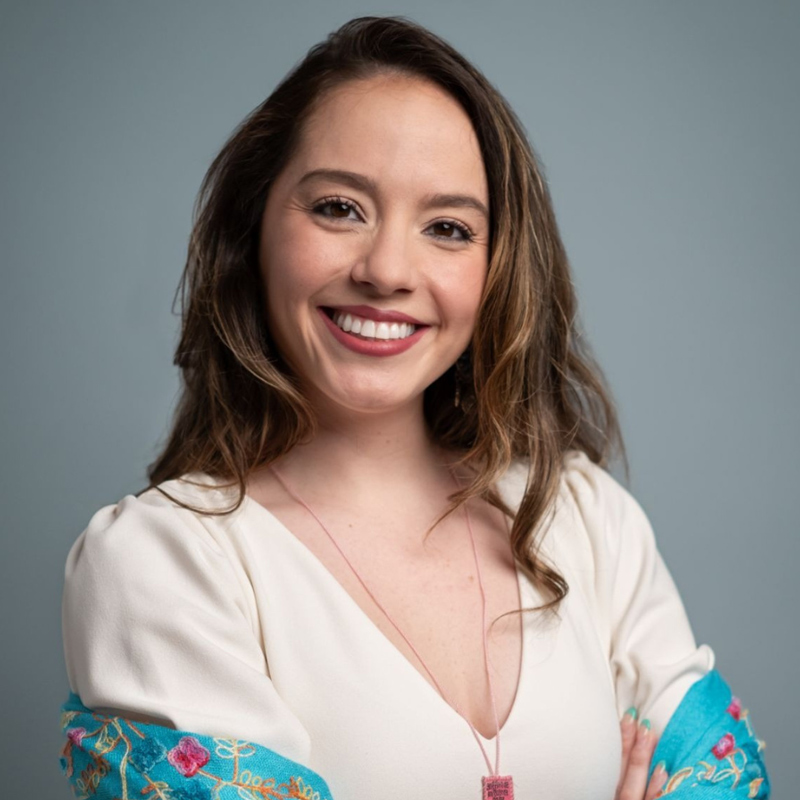
“We didn’t want a one-dimensional narrative of what it means to be Latine,” says Irma Márquez Trapero, LatinoLEAD’s CEO. “Our experience here encompasses both deep struggle and immense joy. Ultimately, Nuestro Norte is a love letter to Minnesotanos, a space where our community feels truly seen in every corner of the state and where every story is valued.”

Intergenerational connection, leadership, deep roots, innovation, and community investment—these are parts of the Latino experience in Minnesota that have been largely invisible.

Irma Márquez Trapero

“We didn’t want a one-dimensional narrative of what it means to be Latine. Our experience here encompasses both deep struggle and immense joy. Ultimately, ‘Nuestro Norte’ is a love letter to ‘Minnesotanos.’”

Irma Márquez Trapero
CEO, LatinoLEAD
Nuestro Norte filmmaker Martín Blanco says, “The Latine population in the US, and Minnesota, represents many layered cultures, practices, and identities, and it was important for us to create an experience where the audience can step in and feel the harmony and tension that rises when heritage meets an adopted homeland.”

To reflect that diversity, the film weaves fiction, personal narratives of several Minnesota Latino leaders, dance, and spoken word.

Nuestro Norte expands and redefines Minnesota for those who call it home, illustrating MHC’s vision of justice through storytelling that nurtures empathy, builds understanding, and fuels fairness.

COPAL MN Ice Out

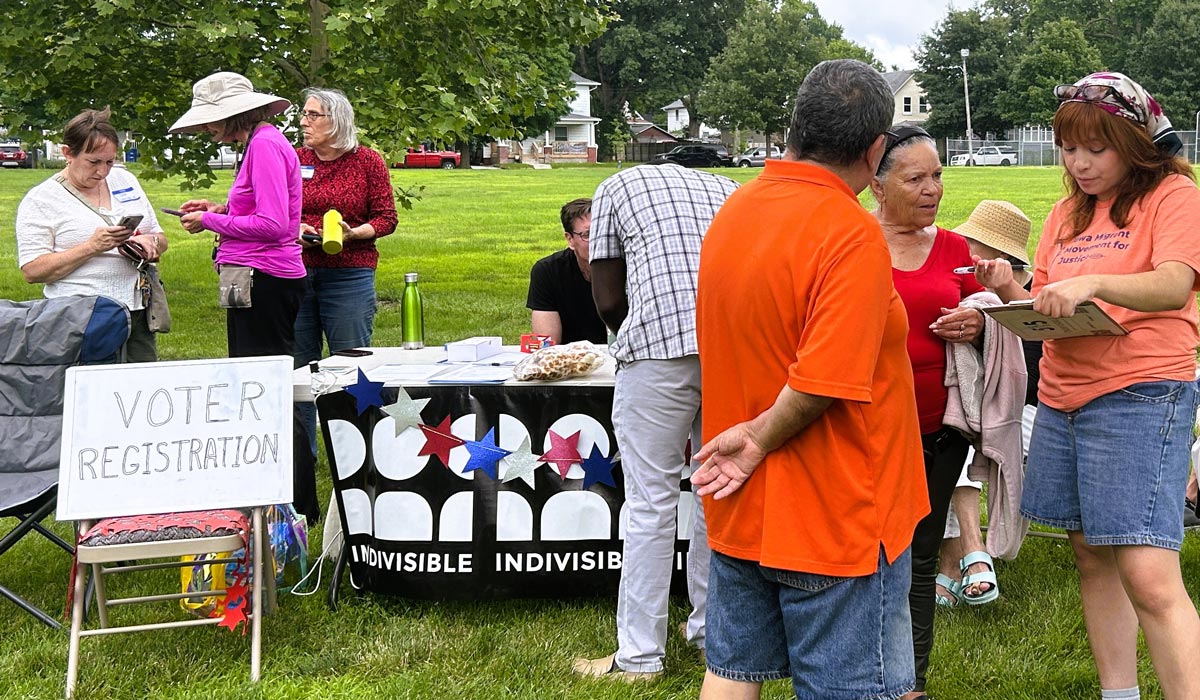
Iowa MMJ’s multilingual staff is uniquely positioned to support legal program clients who have recently naturalized by helping them register to vote. Photo courtesy of Iowa MMJ.
In organizing, perpetual optimism is a job requirement.

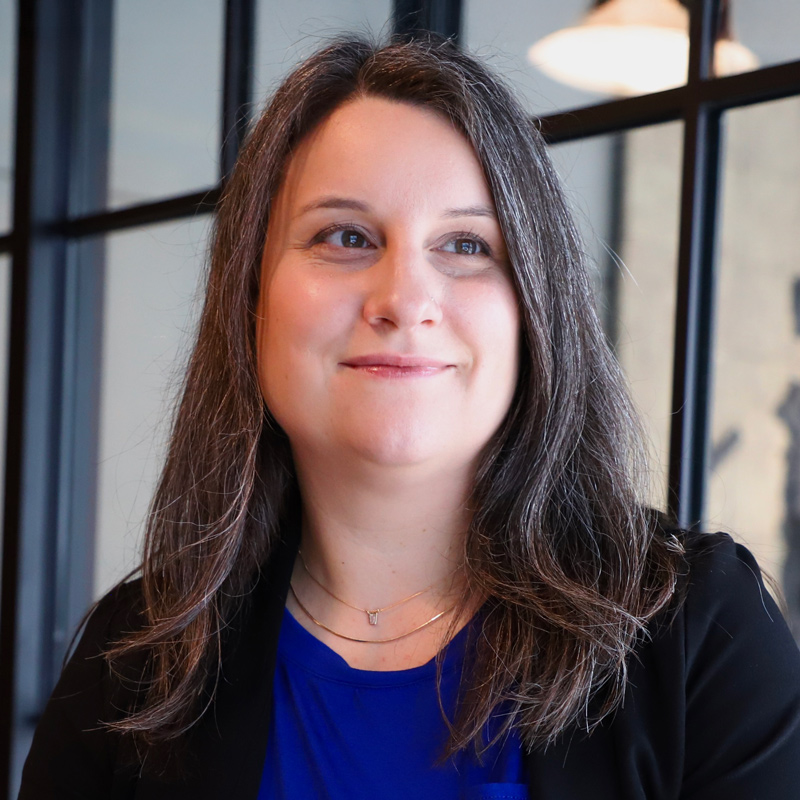
“We believe migration is a human right,” says Erica Johnson, the founding executive director of Iowa MMJ, “and we need an immigration system that’s fair, clear, and navigable because a prosperous future for Iowa depends on our immigrant communities.”

Iowa MMJ, a statewide membership organization based in Des Moines, IA, is a grantee partner that empowers Iowa’s immigrant and refugee communities through organizing and immigration legal services.

Erica Johnson

“We need an immigration system that’s fair, clear, and navigable because a prosperous future for Iowa depends on our immigrant communities.”

Erica Johnson
Founding Executive Director, Iowa MMJ
Johnson has been a champion of immigrant rights for two decades. She observes that organizers need to remain optimistic because change often happens at a glacial pace. When asked where she sees points of hope right now, she gestured to a map of Iowa hanging on the wall behind her.

The map is dotted with sticky notes marking sites of progress toward Iowa MMJ’s mission. White sticky notes, she says, indicate the towns where Iowa MMJ has established community defense teams, folks trained to respond quickly to raids or other threats against immigrants. That’s progress.

COPAL MN Ice Out

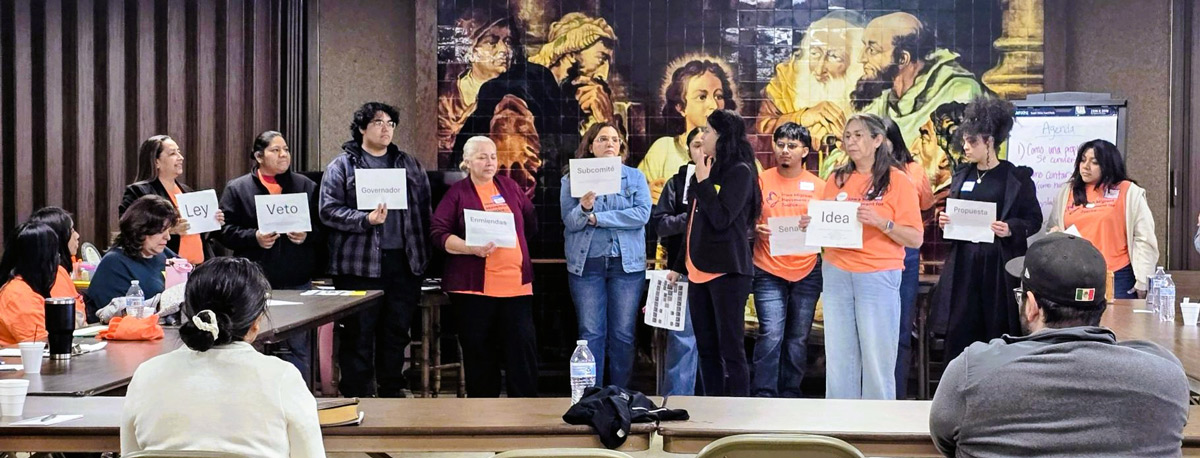
Participants learn the fundamentals of democracy during Iowa MMJ’s annual civic-focused leadership development training. Photo courtesy of Iowa MMJ.
The Iowa MMJ team also works to prevent anti-immigration legislation at the state house.

“Anti-immigrant rhetoric has been a winning strategy for politicians throughout our country’s history,” Johnson reminds us. “To counter that, we work with partners from the faith community, the labor community, academic, and elsewhere to educate Iowa lawmakers about the impacts the laws they’ll be voting on will have on refugees and immigrants in Iowa.”

Johnson’s brand of optimism looks forward and back. “Iowa has a rich history of taking the lead on civil rights, welcoming refugees, and standing up for gay marriage,” she notes. “So when I think about this place where I grew up, where I’m raising my kids, I want to move toward that Iowa.”

COPAL MN Ice Out

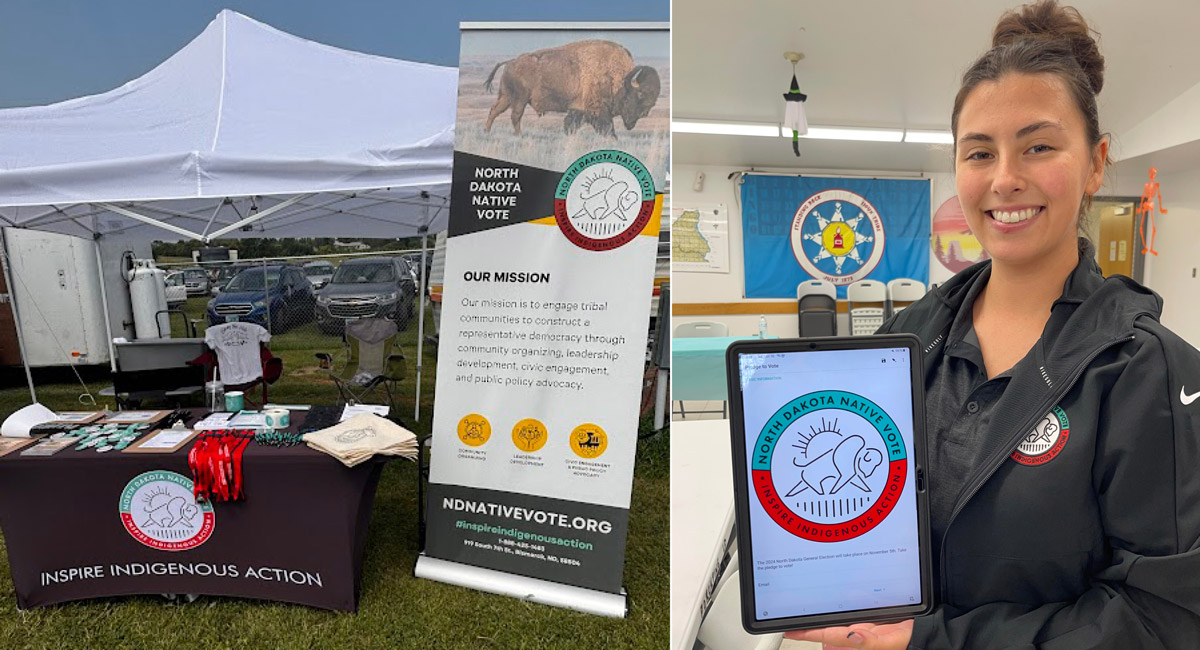
NDNV travels the powwow trail and hosts face-to-face voter education events (left). NDNV Deputy Director Kendyl Harrison (Standing Rock Sioux) displays NDNV’s digital pledge to vote tablet in Porcupine, ND, on the Standing Rock Reservation (right). Photos courtesy of NDNV.
Each voice matters. That’s how communities can build power together.

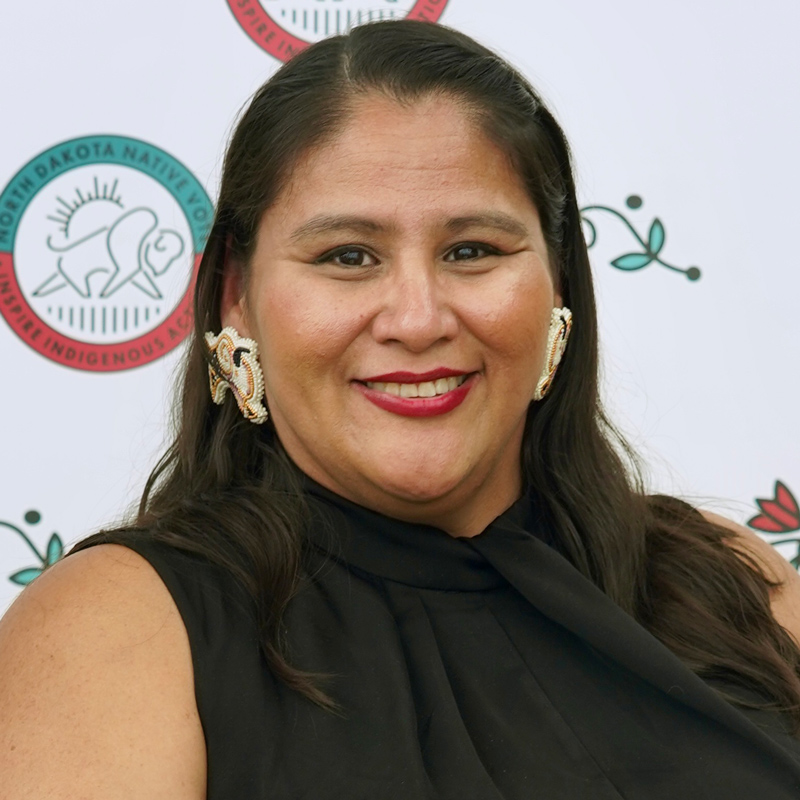
Nicole Donaghy (Hunkpapa Lakota), the founder and executive director of NDNV, has her eye on surpassing the turnout of Native voters achieved in the 2018 midterm election.

Just six days before election day, a suppressive voter ID law passed the previous year was upheld. In response, Native voters showed up at the polls in record numbers. “Our organizing helped turn out the vote that year,” but a huge need remains for Native participation in our democracy, Donaghy asserts.

“The people elected are our decision makers. They have a significant impact on the quality of life for our people,” she continues. “Making sure voters have an opportunity to elect people who really know their community, that’s what keeps me going.”

Nicole Donaghy

“Making sure voters have an opportunity to elect people who really know their community, that’s what keeps me going.”

Nicole Donaghy (Hunkpapa Lakota)
Founder and Executive Director, NDNV
NDNV is committed to building power and advancing self-determination through grassroots organizing, civic engagement, voter protection and mobilization, and leadership development. NDNV works to protect access to voting and ensure all votes are counted.

That’s particularly important for Native voters on tribal lands. As a group, they’ve been targeted by discriminatory voting requirements. One example is the requirement for IDs to include a registered address, although many reservation communities rely on P.O. boxes.

“Right now, North Dakota has the most Native representatives in office than ever before: four of the state’s 141 seats,” says NDNV’s board chair, Jody Lee DeLong Sr. (Turtle Mountain Band of Chippewa). “That’s 3 percent. But we make up about 7 percent of the state’s total population, so there’s still work to be done.”

NDNV focuses on five central strategies to do that work: community organizing led by locals, mentoring leaders, defending democratic processes, creating spaces for connection and culture, and amplifying Native stories.

Latino LEAD workshop

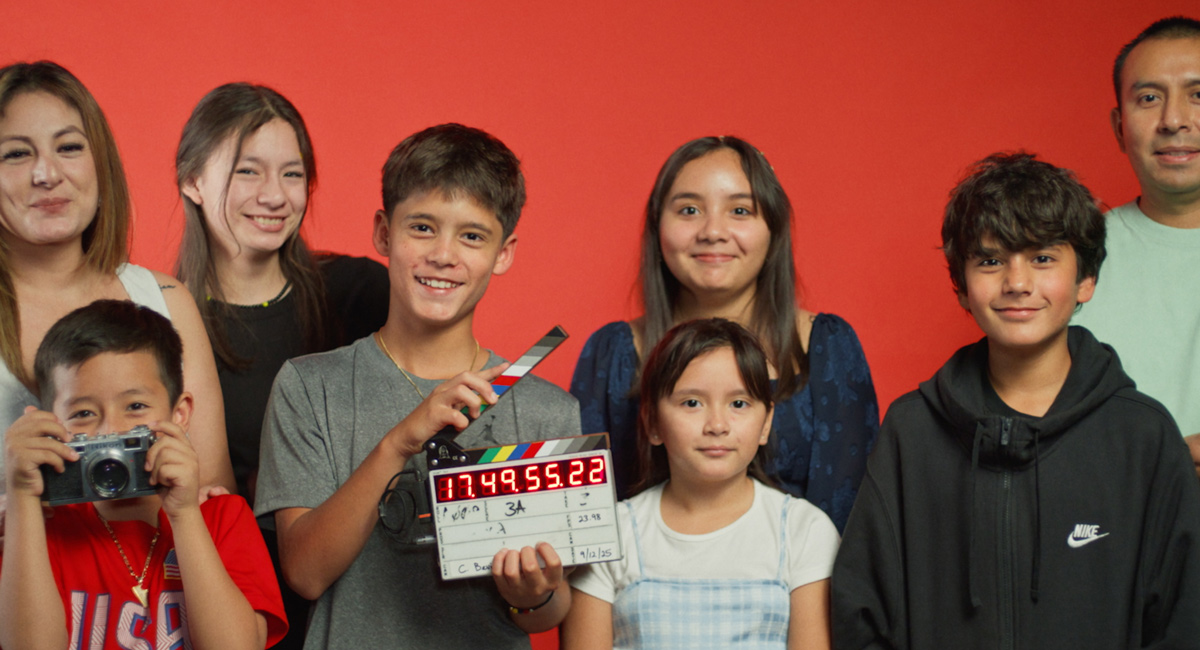
Young filmmaker participants from Mamá Papaya’s documentary workshop pose with their families during a studio film shoot. Photo courtesy of Martín Blanco, MHC, LatinoLEAD, Dual Studios, and CATATUMBO.
By design, effective organizing and advocacy is grassroots-driven to be flexible to community needs.

The Foundation is proud to support MHC, Iowa MMJ, and NDNV, as well as LatinoLEAD and our other grantee partners, as they create effective organizing and advocacy strategies that respond to the strengths, needs, and particular challenges of the communities they serve.

Organizing and advocacy is one way changemakers across our region are helping their communities overcome historical barriers and disparities that persist to this day. This work shapes a people-centered form of justice that hinges on communities’ self-determination and power, improving their capacity to thrive on their own terms alongside others in our region.

In the words of the Nuestro Norte epilogue:

Dreams in the soil. Roots in the earth. . . .
Inside every face there’s a world unfolding.

More on Minnesota Humanities Center (MHC)
More on Iowa Migrant Movement for Justice (Iowa MMJ)
More on North Dakota Native Vote (NDNV)
Share This Page

Tags: Conditions Leading to Justice, Immigrant and Refugee Communities, Latino Communities, Native American Communities, Racial Justice

MORE INSIGHTS FROM NORTHWEST AREA FOUNDATION

  • Grantees & Grantmaking | September 16, 2026

    When Neighbors Show Up for Each Other, Democracy Holds

    Read Article
  • Grantees & Grantmaking | August 17, 2026

    Q2 Grants: OneAmerica’s Grassroots Advocacy for Immigrant Communities

    Read Article
  • Grantees & Grantmaking | August 6, 2026

    AEDS Is Stabilizing Systems for Thriving Communities

    Read Article

INSIGHTS IN YOUR INBOX

NWAF
  • Job Opportunities
  • Media Inquiries
  • Policies
  • Accessibility
  • Contact Us

Northwest Area Foundation, 60 Plato Blvd. E., Suite 400, St. Paul, MN 55107. ©2026 Northwest Area Foundation. Privacy Policy

  • (651) 224-9635
×

Get updates in your inbox.

Sign up to get updates about the latest news, stories, and insights from the Northwest Area Foundation.

What are you interested in getting updates for?