SKIP TO MAIN
NWAF.org
President's Corner
    • About
    • History
    • Wealth Acknowledgment
    • Values
    • Financials
    • Staff
    • Board
    • FAQs
    • Policies
    • Approach
    • Priority Communities
    • Justice, Equity, Diversity, and Inclusion
    • Native-Led Work
    • Native CDFIs
    • Impact Investing
    • Our Grantmaking
    • Grant Search
    • Grant Listings
    • Current Grantees
    • For Grantseekers
  • Engage
  • News & Insights

News & Insights


Grantees & Grantmaking | November 18, 2026

Q3 Grants: Sahan Journal Expands the Mainstream Narrative

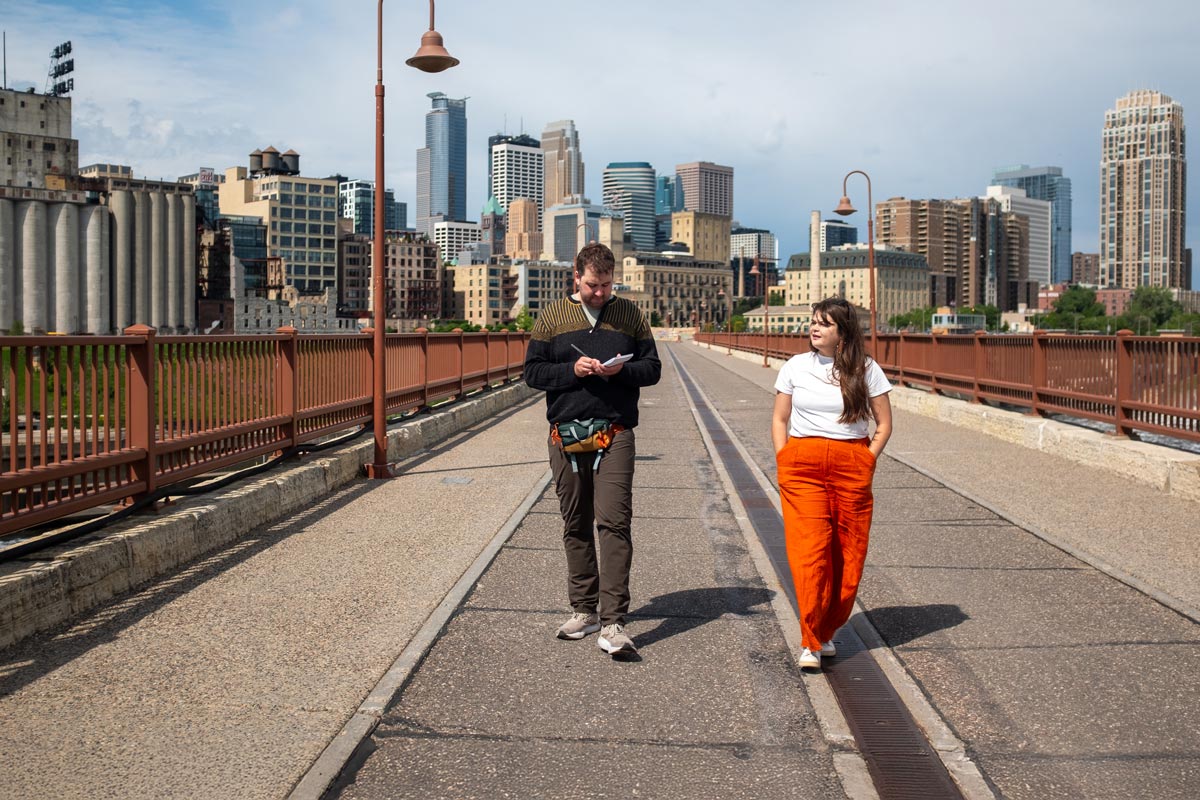
Climate Reporter Andrew Hazzard learns about the Dakota-led nonprofit Owámniyomni Okhódayapi's plan for a 5-acre site that would restore the Upper St. Anthony Falls Lock and Dam, seen on May 29, 2025, to a natural state and reconnect visitors to the site's Dakota heritage and the river. Photo by Dymanh Chhoun for Sahan Journal.

Community-based news helps Minnesota’s immigrants and communities of color shape a more just future—on their own terms.

“We aren’t reporting to the communities we serve,” says Dawn Flinsch, director of development for Sahan Journal (Sahan), a nonprofit, digital-first news outlet based in St. Paul. “We’re reporting with and for them, equipping them to make better, more informed decisions.”

Founded in 2019, Sahan provides news and information about Minnesota’s immigrant, multiracial, and ethnic communities, including the area’s large Hmong, Somali, Karen, Liberian, Ethiopian, Latino, Native American, and African American communities.

“We aren’t reporting to the communities we serve. We’re reporting with and for them, equipping them to make better, more informed decisions.”

Dawn Flinsch
Director of Development, Sahan Journal
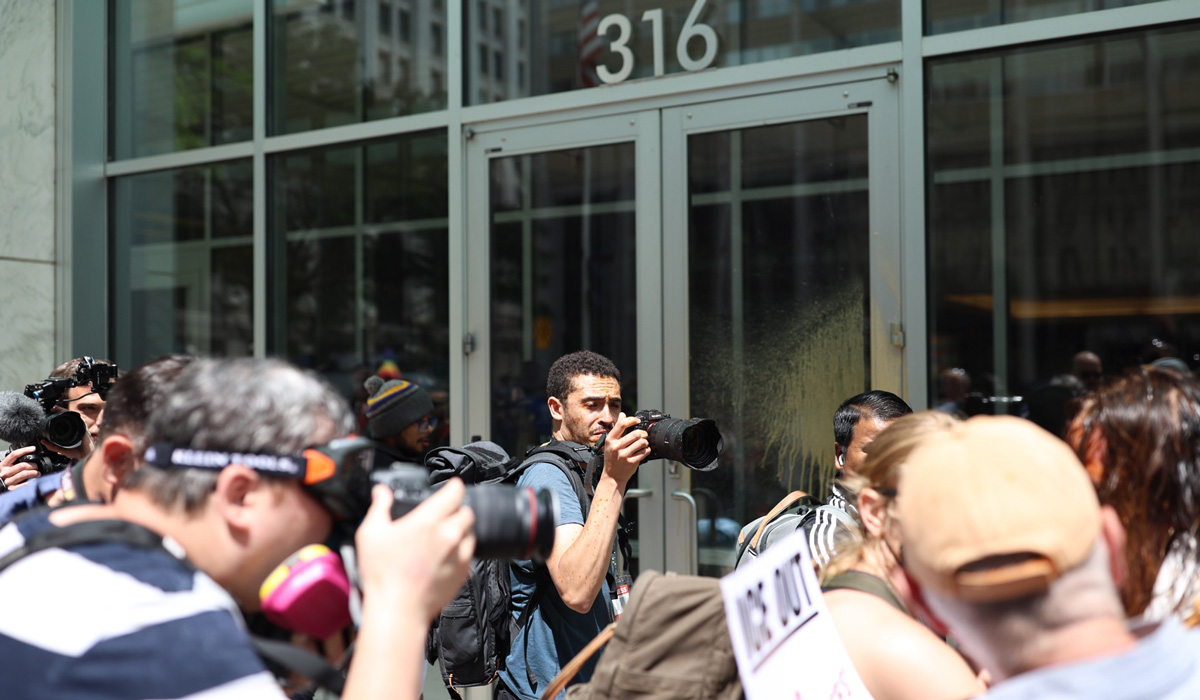
Sahan will use a $250,000 general operating grant over two years for Community-Centered Journalism for Collective Recovery. The initiative is designed to help immigrant communities and communities of color in Minnesota navigate the ongoing impacts of Operation Metro Surge.

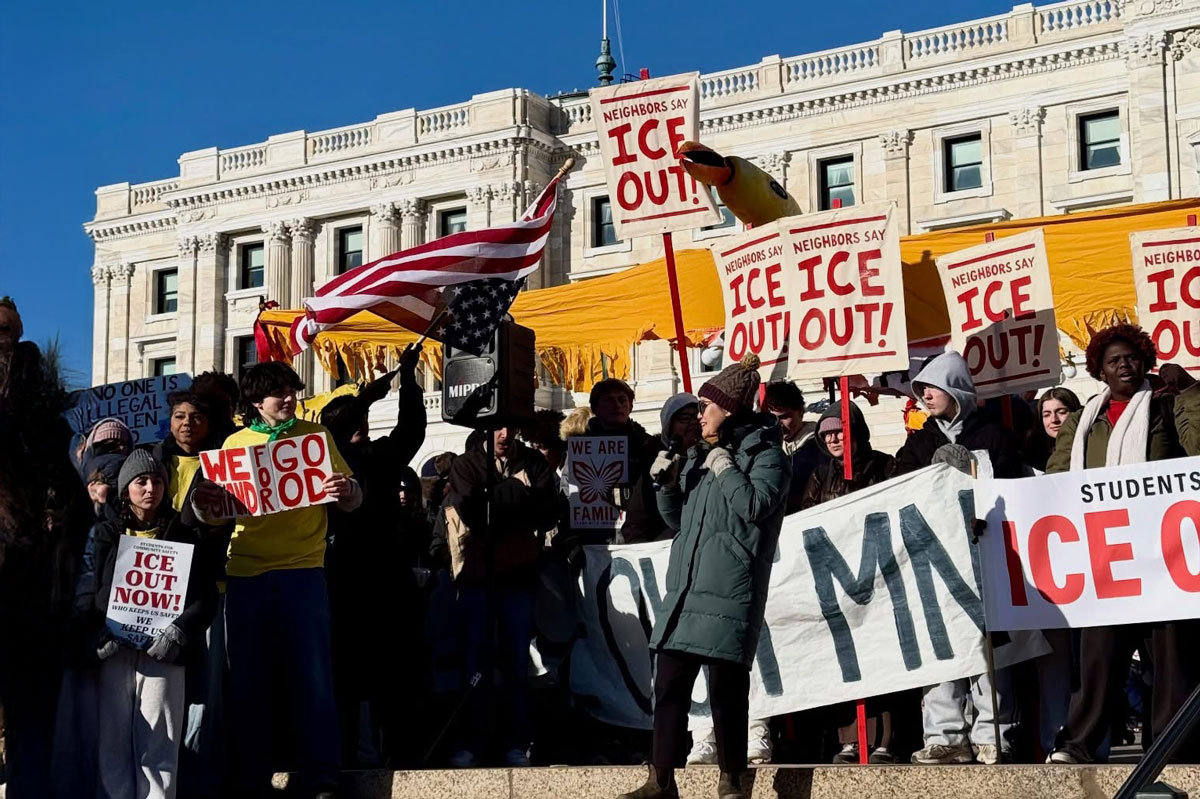
ICE split families and created economic instability and lasting community trauma.

Sahan’s coverage of Operation Metro Surge illustrates how its community roots lead to telling important stories with cultural fluency from reporters who reflect the communities it serves. These are stories that would not otherwise be told.

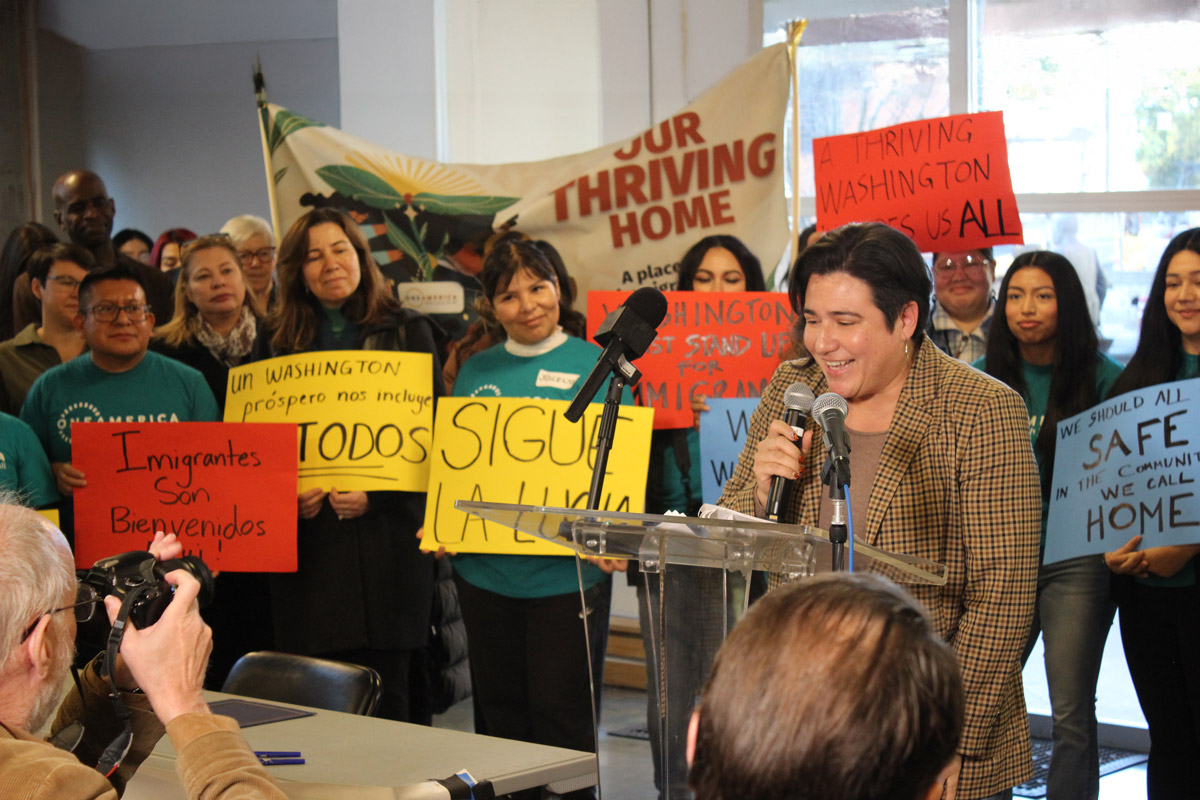
OneAmerica May Day march

Photojournalist Aaron Nesheim covers a clash with federal officials outside the Warren E. Burger Federal Building in St. Paul on Tuesday, June 16, 2026, after 15 Minnesotans were charged with impeding immigration agents during Operation Metro Surge. Photo by Dymanh Chhoun for Sahan Journal.

“When all the national outlets had descended on Minnesota, we broke stories because of our community relationships, the trust we’d already built,” says Flinsch.

Although Minnesota’s experience of the violent and unjust US Immigration and Customs Enforcement (ICE) presence is no longer dominating the national media landscape, many families in the state are still dealing with the ripple effects of the civic disruption caused by Operation Metro Surge, which began in December 2025.

Sahan’s service journalism, civic listening, and data collaboration help keep families and their communities—those most affected by the actions of ICE and its agents—visible, informed, and connected.

Reporting prepares communities and elected officials to meet the moment.

According to Flinsch, who joined the Sahan Journal staff in 2021, sahan is a Somali word for a scout. In their historically nomadic culture, a sahan would travel ahead, assess, and return to educate the rest of the community to prepare for what was ahead. The metaphor illustrates how journalism can serve a similar function: helping communities understand what they’re facing and bringing them together to collectively respond.

“Sahan” is a Somali word for a scout. The metaphor illustrates how journalism can help communities understand what they’re facing and bring them together to collectively respond.
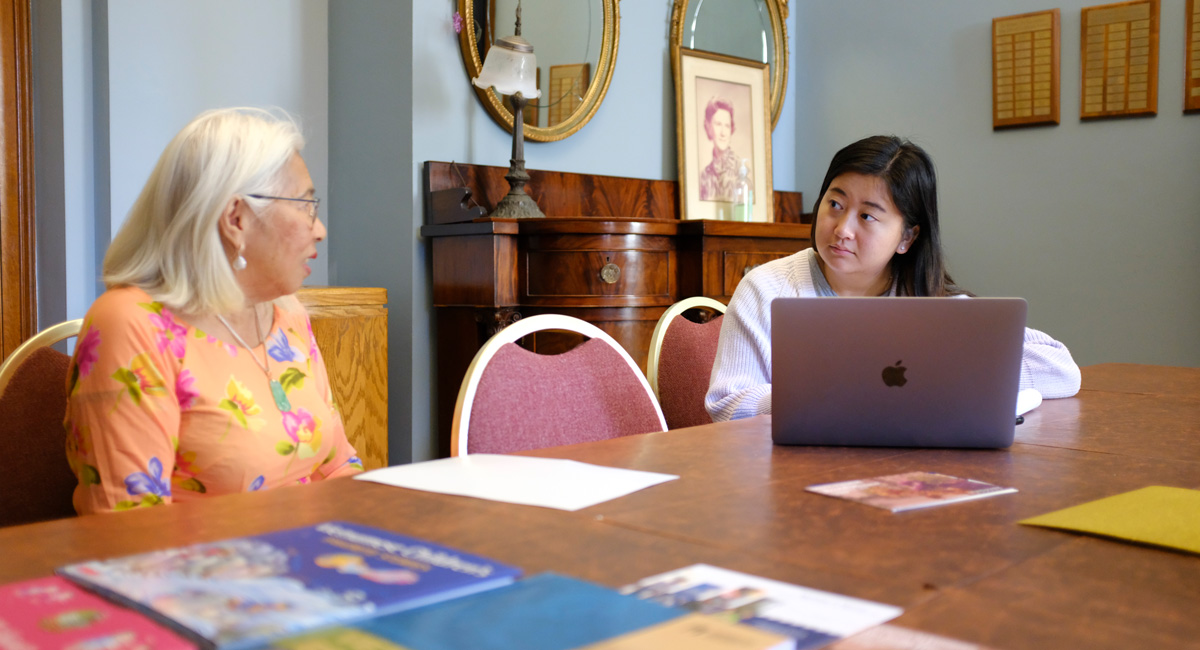
Echoing the Foundation’s funding approach, Sahan’s work centers around communities facing disparities created by systems that deny them access to resources, limit their power to make policy decisions, and fail to respect the wisdom of their lived experience and culture.

“We seek to empower those who’ve been left out of mainstream media coverage for decades,” says Flinsch. “Sahan is a corrective, a balm for those who never got to see themselves reflected accurately, consistently, and in culturally appropriate ways in the news.”

Sahan views journalism as a form of civic infrastructure that turns information into a shared understanding. This leads to active participation in public conversations by those most affected by policy decisions.

OneAmerica May Day march

Immigration Reporter Katelyn Vue on assignment. Photo by Dymanh Chhoun for Sahan Journal.

Sahan’s community-centered initiative helps communities move past immediate crises toward long-term healing and self-determination.

By contributing to an unprecedented reporting cooperative that includes Minnesota Public Radio (MPR), Minnesota Star Tribune, ProPublica, and others, Sahan is helping create a comprehensive public account of the social, economic, and civic impacts of immigration enforcement under the current administration. Examples of impact abound.

For instance, as part of its community-centered journalism, ongoing reporting by Katelyn Vue will continue to follow the Yang family after Zong Yang’s deportation to Laos, in addition to stories about others affected by immigration-related separation.

“We seek to empower those who’ve been left out of mainstream media coverage for decades. Sahan is a corrective, a balm for those who never got to see themselves reflected accurately, consistently, and in culturally appropriate ways in the news.”

Dawn Flinsch
Director of Development, Sahan Journal
And in collaboration with Mixed Blood Theatre in Minneapolis, Sahan is hosting a series of live community conversations for residents, organizations, and local leaders to gather to strengthen connections and respond to challenges together.

The Community-Centered Journalism for Collective Recovery initiative’s success won’t only be measured by conventional audience metrics. Sahan will also track whether its journalism is used by community members and decision-makers to better understand challenges, strengthen community connections, address harm, and shape more equitable outcomes.

Staff_DSC00951-2

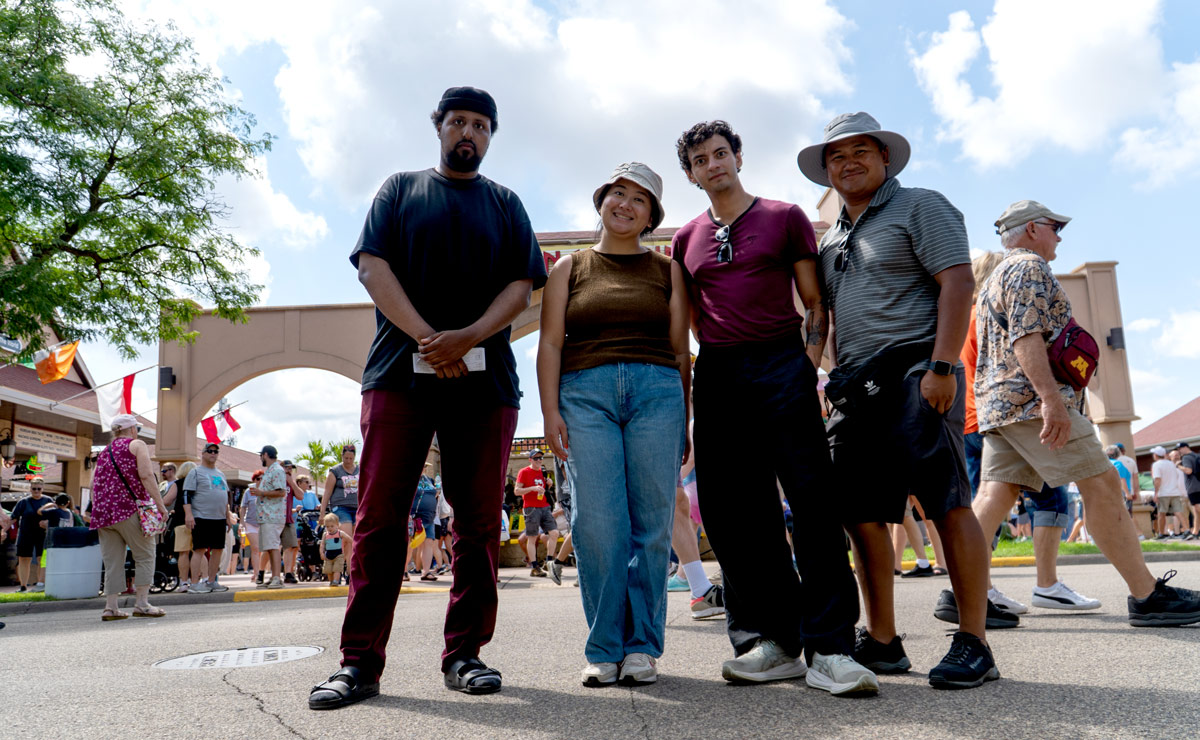
Sahan Journal newsroom staff prepares for a day reviewing new Minnesota State Fair foods (from left): Mohamed Ibrahim, Katelyn Vue, Alberto Villafan, Dymanh Chhoun. Photo courtesy of Sahan Journal.


decorative mark
Q3 grantee partners reflect a range of funding priorities, including economic stability, food security, language revitalization, and more.

Our board approved 41 grants totaling more than $6.9 million in Q3. Among them were:

He Sapa Otipi of Rapid City, SD: $250,000 over two years in general operating support to bring cultural, ceremonial, and support services into a single, accessible hub

Chief Tahgee Elementary Academy of Pocatello, ID: a two-year general operations grant of $250,000 to help advance its work on language and cultural revitalization

The latest round of grantmaking continues the Foundation’s commitment to double our annual grantmaking budget. Initiated in 2025, the expanded grantmaking total helps our grantee partners meet the urgent needs of their communities right now.

If you want more context for our recent grantmaking or the Foundation’s mission and approach, contact Paul Bachleitner, communications director, at pbachleitner@nwaf.org.

Go to a listing of Q3 2026 grants
In Other News
Check out these recent posts that highlight the Foundation’s work so far this year.
Policy and Community Insight

The Foundation welcomes a familiar face to a new job, Nikki Foster as VP Program.

Learn more
NWAF Staff Members Alli Naithani, Maya Beecham, Melissa Rudnick, NWAF Staff Members

See how an honor tax helps us go beyond land acknowledgements to build deeper relationships with Native American communities.

Watch the video
Blackfeet reservation

Community-led organizing and advocacy has tremendous power in overcoming historical and persistent disparities.

Read how
Share This Page

Tags: African American Communities, Asian American and Pacific Islander Communities, Immigrant and Refugee Communities, Latino Communities, Native American Communities

MORE INSIGHTS FROM NORTHWEST AREA FOUNDATION

  • Grantees & Grantmaking | October 21, 2026

    How Organizing and Advocacy Meet the Moment

    Read Article
  • Grantees & Grantmaking | September 16, 2026

    When Neighbors Show Up for Each Other, Democracy Holds

    Read Article
  • Grantees & Grantmaking | August 17, 2026

    Q2 Grants: OneAmerica’s Grassroots Advocacy for Immigrant Communities

    Read Article

INSIGHTS IN YOUR INBOX

NWAF
  • Job Opportunities
  • Media Inquiries
  • Policies
  • Accessibility
  • Contact Us

Northwest Area Foundation, 60 Plato Blvd. E., Suite 400, St. Paul, MN 55107. ©2026 Northwest Area Foundation. Privacy Policy

  • (651) 224-9635
×

Get updates in your inbox.

Sign up to get updates about the latest news, stories, and insights from the Northwest Area Foundation.

What are you interested in getting updates for?