SKIP TO MAIN
NWAF.org
President's Corner
    • About
    • History
    • Wealth Acknowledgment
    • Values
    • Financials
    • Staff
    • Board
    • FAQs
    • Policies
    • Approach
    • Priority Communities
    • Justice, Equity, Diversity, and Inclusion
    • Native-Led Work
    • Native CDFIs
    • Impact Investing
    • Our Grantmaking
    • Grant Search
    • Grant Listings
    • Current Grantees
    • For Grantseekers
  • Engage
  • News & Insights

News & Insights


JEDI, Strategic Approach | July 22, 2026

We Created a Wealth Acknowledgment Statement. Here’s Why.

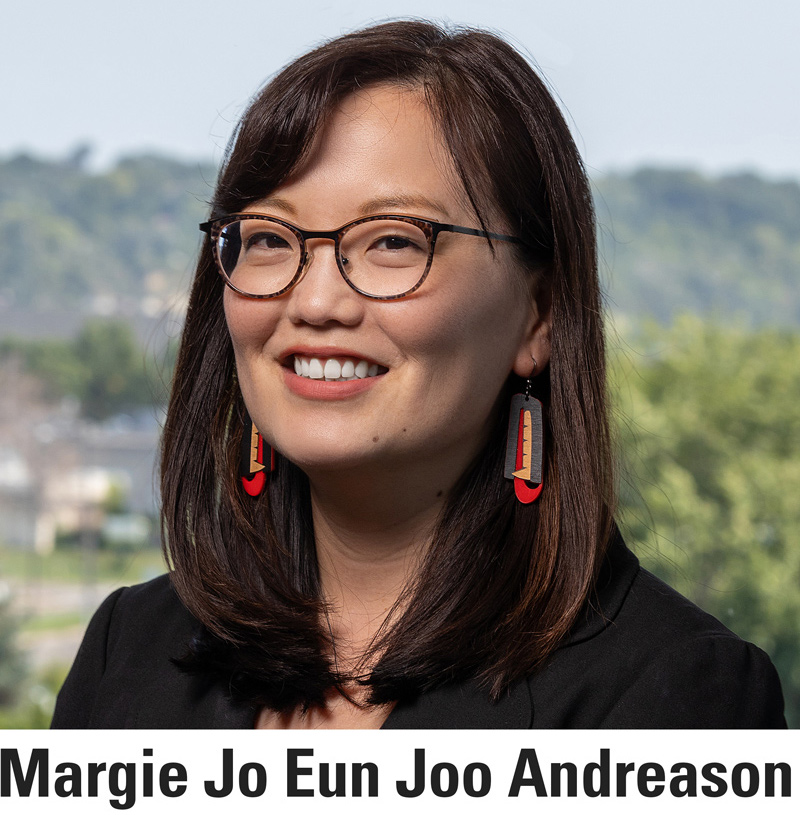
By Margie Jo Eun Joo Andreason     Justice Equity Diversity Inclusion Director

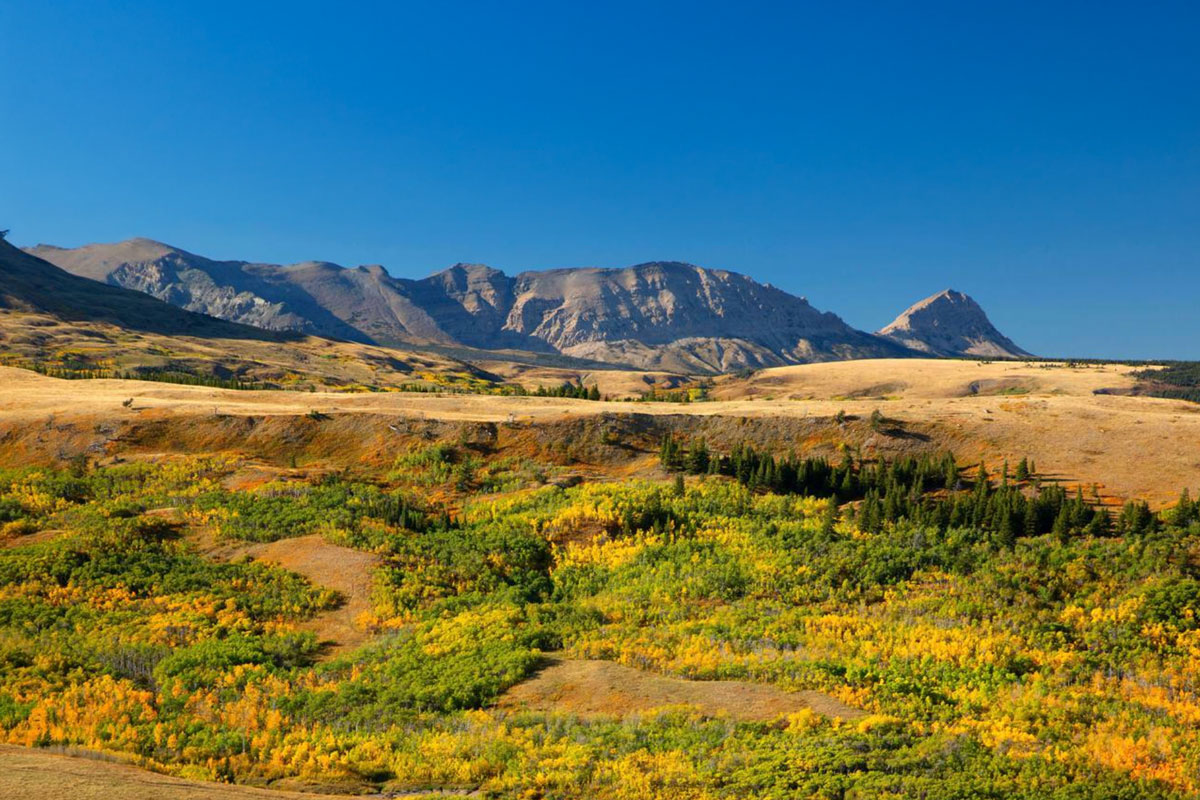
Blackfeet Indian Reservation
Rocky Mountain foothills in the Blackfeet Indian Reservation, Montana.

Curiosity about our Foundation’s history and its connection to Native land dispossession spurred us to take bolder actions.

Earlier this year, we posted a wealth acknowledgement statement on our website. It states the explicit connection between the origins of our Foundation’s wealth and the impact on Native communities. Our statement was the culmination of years of work, and the process was just as important as the statement itself. One overarching discovery was that we really needed to do this.
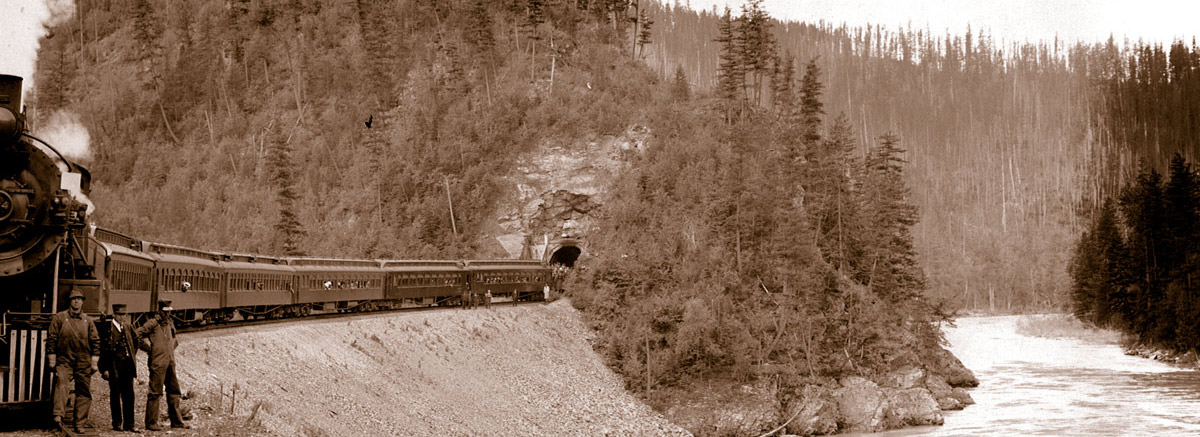
When I joined the Foundation 15 years ago, I remember hearing a straightforward story about the origins of our wealth. I was told the Foundation was established by the family of railroad baron James J. Hill, who built most of his wealth from the Great Northern Railway.

Railroads are often described as symbols of American innovation and progress—connecting regions, supporting migration, and contributing to industrial growth. I’ll be honest about my initial reaction. I did not question the origin story and accepted it without much reflection.

Great Northern Railway Postcard

READ OUR FULL WEALTH ACKNOWLEDGMENT STATEMENT

Great Northern Railway

The Great Northern Railway. Photo courtesy of the Hill Family Collection, Minnesota Historical Society.

But railroads also brought other impacts that I hadn’t fully considered until after my first few years at the Foundation. One major impact was the immense harm done to Native communities. Railroads run across thousands of miles of land, much of which was taken from Native nations through past policies and practices that were unfair and caused damage and suffering that continue to this day. I also hadn’t understood how philanthropy, including our Foundation, was connected to these larger historical patterns.

Our statement addresses this in no uncertain terms. The path toward developing it wasn’t straightforward and grew into an in-depth journey.

Our wealth acknowledgment is not a final statement but an ongoing commitment to deeper learning and action.
A board conversation on land acknowledgements opened the door.

That path began with a conversation I facilitated at a board meeting in 2023. A board member suggested we apply a discussion tool related to our justice, equity, diversity, and inclusion (JEDI) journey to the question of whether to embed a land acknowledgment into the structure of our board meetings. The discussion that followed was robust, complex, and surfaced opportunities to go beyond a land acknowledgment.

We’d already been taking concrete action to support Indigenous communities for years. Forty percent or more of our annual grant dollars have gone to Native-led groups as part of an ongoing commitment we made in 2012. But simply reciting a land acknowledgement was not sufficient. The board instead decided to engage in deeper learning about Indigenous land and people.

Pine Ridge Reservation

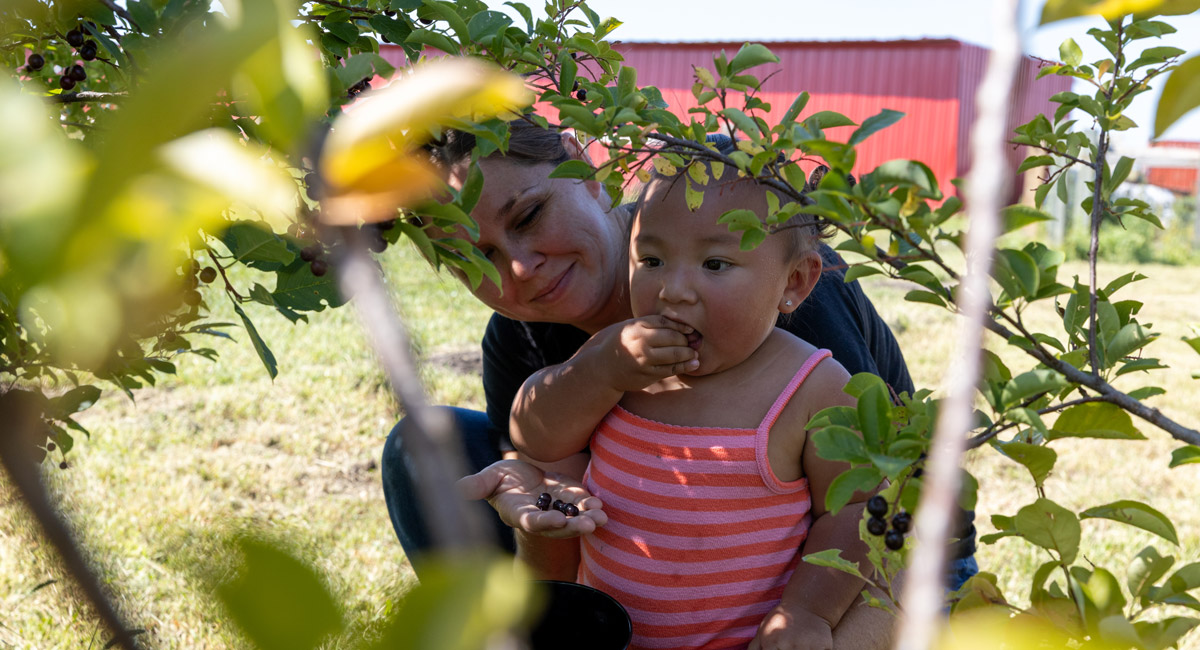
Residents picking chokeberries in the garden at Whiteclay Property Healing Community, a project of our grantee partner Thunder Valley Community Development Corporation on the Pine Ridge Indian Reservation in South Dakota.

Staff-driven research was key to building shared understanding.

The board’s discussion sparked staff to go deeper on the issue, too. We engaged in a research project that began with a guiding question: What is our Foundation’s connection to the dispossession of Native lands?

We did not outsource responsibility. We invested time in examining primary sources and developing a presentation on our findings. It was tough on our spirits when we ran into undeniable evidence of the harm. What kept me grounded through those moments was recognizing that learning the truth is a sliver of grief compared to the grief of those who lived through it.

Many of the Native communities, grantee partners, and grassroots leaders we work with have lived through the harm done by the railroad for generations. We were catching up to what they had always known.
At the staff level, many of us have relationships with Native-led organizations and grantees, both on personal and professional levels. We recognized that many of the Native communities, grantee partners, and grassroots leaders we work with have lived through the harm done by the railroad for generations. What we uncovered in our research was not new information for them. We were catching up to what they had always known.

We also knew that this was not just our founding family’s story. It also shared a broader context. While researching family history, we looked at larger patterns of US expansion and development. We built and shared a baseline understanding of why and how lands were systematically taken away over time and what role business interests played in that.

blank plug

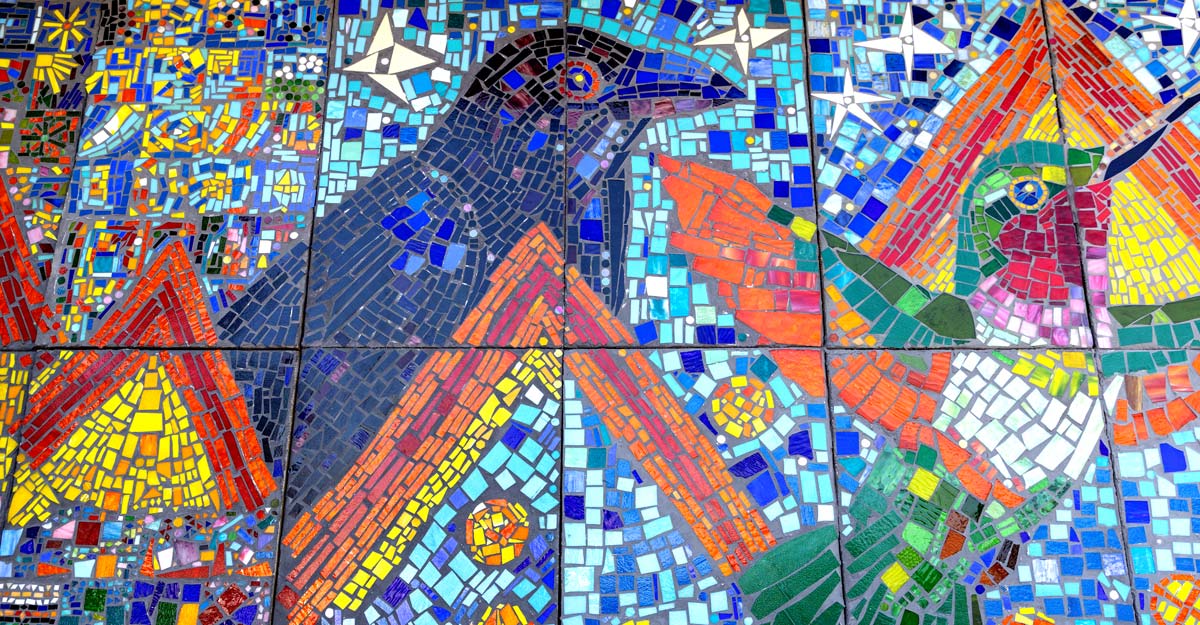
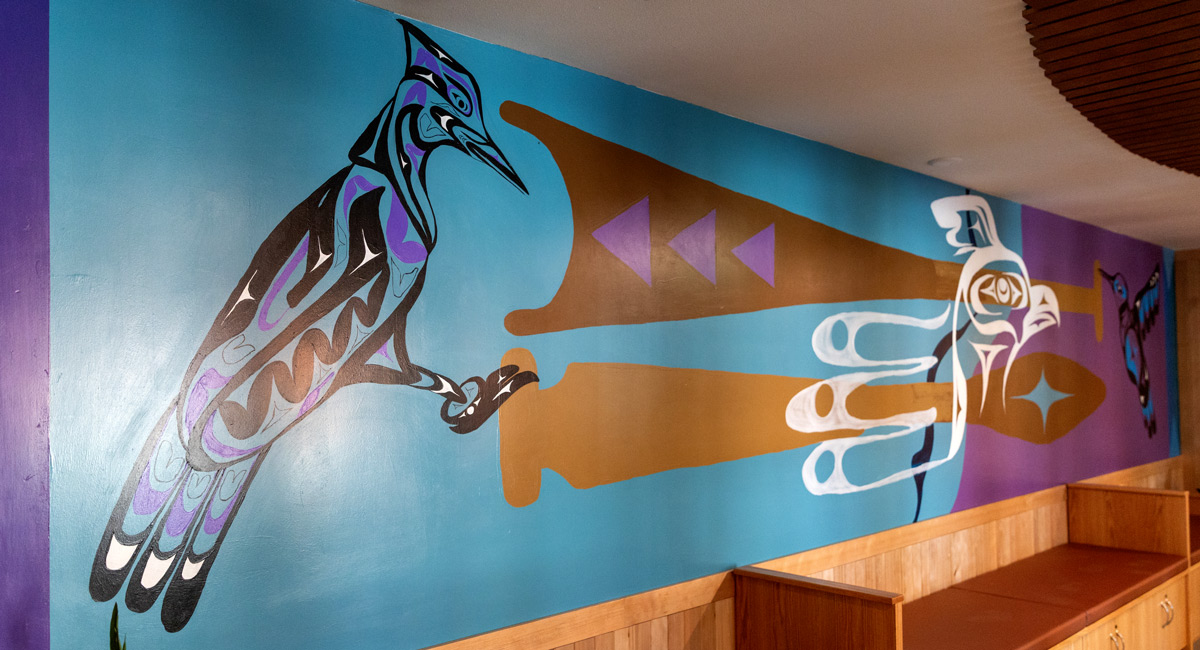
Tistilal “Thunderbird” mural by Stephan Smith (Quinault and Makah) within the Tistilal Village in the Cully neighborhood of Portland, OR. Co-owned by our grantee partner Native American Youth and Family Center (NAYA).

The research process inspired us to draft our wealth acknowledgement statement.

I did not know this research would spur us to later write a wealth acknowledgement statement. My role was to harness the staff and board’s interest to investigate more, create collective learning and reflection spaces, and share our learning outside the Foundation.

As we drafted our wealth acknowledgment statement, we grounded ourselves by naming our intended audience: Native communities and tribes most impacted by the origins of our wealth. Keeping this perspective front and center helped guide the language and purpose of our final statement.

Sharing it externally is rooted in our desire to build trusting and meaningful relationships—across our board and staff and with the communities we stand alongside. We knew this would help us show up with greater honesty, humility, and respect for the organizations we support.

Sharing our wealth acknowledgment statement externally is rooted in our desire to build trusting and meaningful relationships—across our board and staff and with the communities we stand alongside.
This is an ongoing process of living our values.

Our wealth acknowledgment is not a final statement but an ongoing commitment to deeper learning and action to better align with our mission, values, and commitment to JEDI.

We do not know how this statement will land for everyone, but we are committed to listening, learning, and continuing the work. We are also willing to share what we’ve learned with others who are ready to take a hard look at their own histories.

We were well positioned to handle the truths the research highlighted because of our JEDI journey, which I have led for the last nine years. Not only is JEDI about new learning, but it is also about unlearning dominant histories and stories that have shaped our beliefs.

One unlearning is that no matter where you are on this continent, you are on someone’s Indigenous ancestral land.

Share your thoughts with our JEDI director, Margie
For our full wealth acknowledgement statement

Author

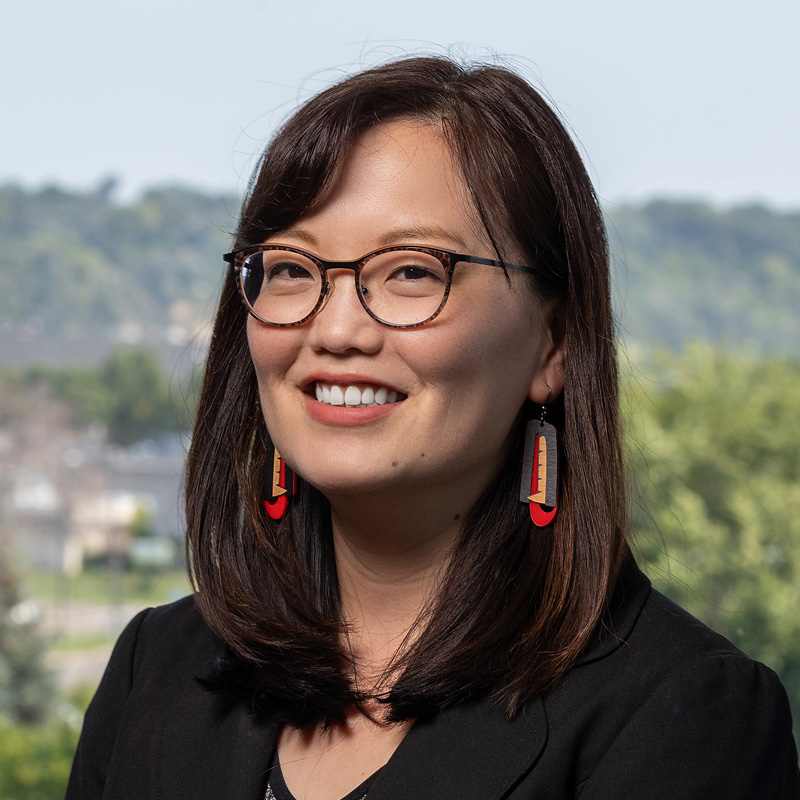
Margie Jo Eun Joo Andreason

Margie Jo Eun Joo Andreason

Justice Equity Diversity Inclusion Director, Northwest Area Foundation

Read Margie’s bio

Share This Page

Tags: Board & Staff, Diversity, Economic Justice, Equity, Inclusion, Native American Communities, Racial Justice, Social Justice

MORE INSIGHTS FROM NORTHWEST AREA FOUNDATION

  • Grantees & Grantmaking | June 24, 2026

    Video: Listening and Learning from Community in Idaho

    Read Article
  • JEDI | April 1, 2026

    Our 2025 JEDI Annual Impact Report Is Here!

    Read Article
  • Grantees & Grantmaking | February 25, 2026

    Video: CEO Kevin Walker—Doubled Funding for 2025 to Continue in 2026

    Read Article

INSIGHTS IN YOUR INBOX

NWAF
  • Job Opportunities
  • Media Inquiries
  • Policies
  • Accessibility
  • Contact Us

Northwest Area Foundation, 60 Plato Blvd. E., Suite 400, St. Paul, MN 55107. ©2026 Northwest Area Foundation. Privacy Policy

  • (651) 224-9635
×

Get updates in your inbox.

Sign up to get updates about the latest news, stories, and insights from the Northwest Area Foundation.

What are you interested in getting updates for?