SKIP TO MAIN

Grantees & Grantmaking | May 20, 2026

Q1 Grants: Prepare + Prosper Unlocks Financial Well-Being for All

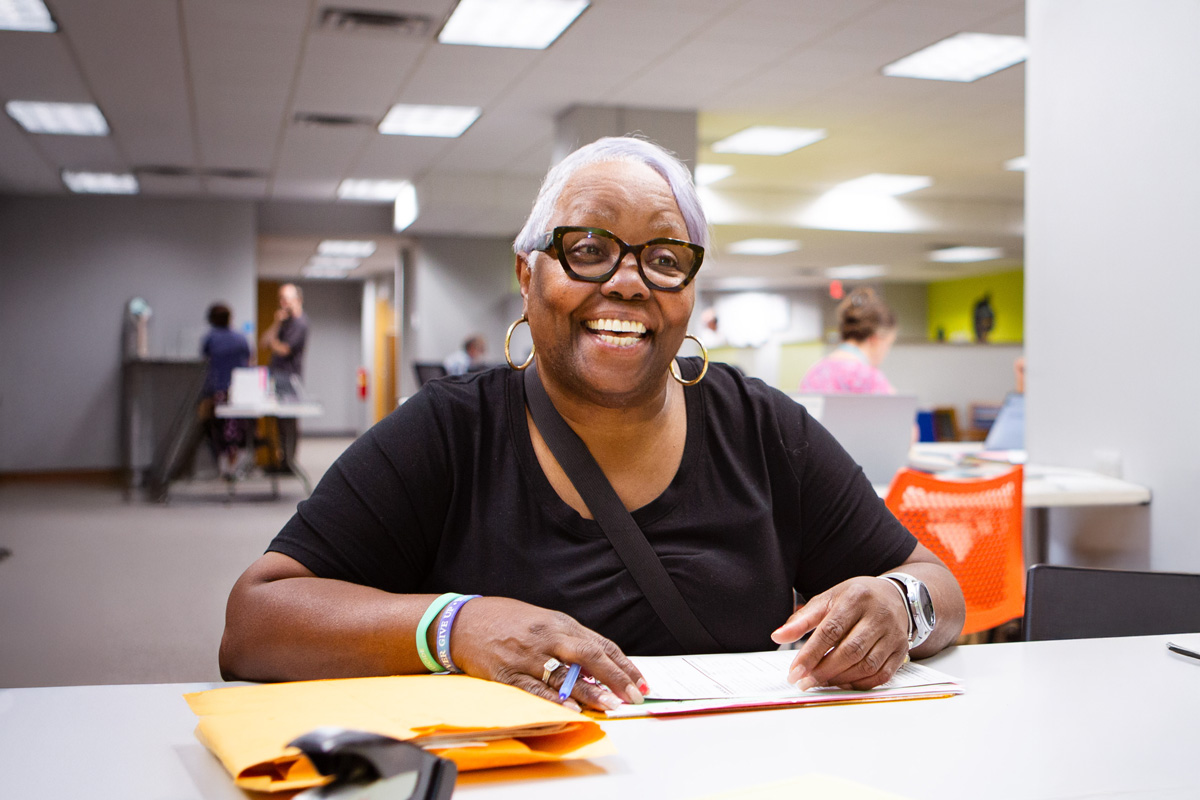
Prepare + Prosper tax clinic customer
A customer takes part in a Prepare + Prosper (P+P) tax clinic. Photo courtesy of P+P.

Free tax prep, financial coaching, and banking support help overcome economic barriers, especially for immigrant communities.

“With the collaboration of community partners, we provide tax services in the communities where our customers live,” says Jean Thompson, communications senior manager for Prepare + Prosper (P+P), a Minnesota-based grantee partner. Its work focuses on advancing economic justice by providing free financial services for households with low to moderate incomes.

Among the Foundation’s first-quarter grants is a two-year, $250,000 grant to P+P. The general operating grant funds P+P’s core services: free tax preparation, financial services and coaching, and banking support.

P+P strengthens financial well-being for all by prioritizing communities disproportionately impacted by long-standing and current inequities, such as immigrants and refugees; Black, Indigenous, and people of color (BIPOC) communities; low-income households; and elderly residents. Its services are available throughout the Twin Cities and across rural Minnesota through regional pop-up clinics, its DIY tax prep program, and even through home visits for those who need it.

P+P’s strategies help reduce income and wealth disparities while supporting economic prosperity—which, in turn, opens a path to stabilizing generational wealth. This is what economic justice looks like for the communities P+P serves.
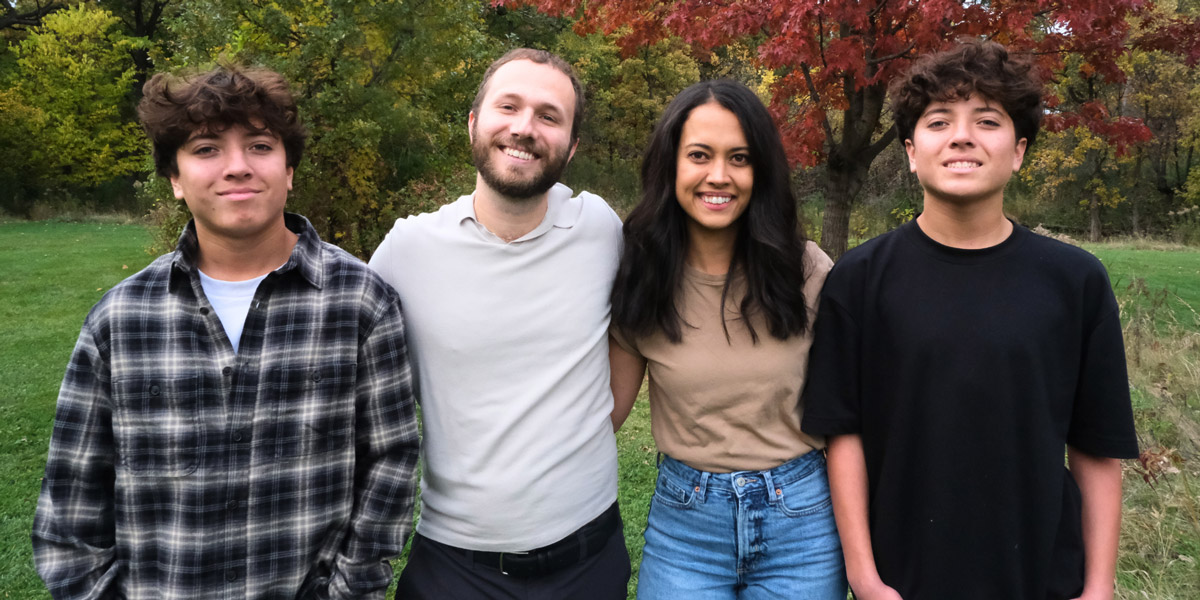
Jean Thompson, P+P and family

P+P’s Communications Senior Manager Jean Thompson with her family. Photo courtesy of Jean Thompson.

Change adds up, individual by individual.

“Before I joined the staff two years ago, I was on the other side—receiving services,” Thompson shares. “And that’s the experience of several of my P+P colleagues.”

She participated in P+P’s free financial coaching program, Money Mentors. Her firsthand understanding of P+P’s services gives Thompson a deeper perspective on the organization’s impact on families.

“As a young, single mother of twin sons, I had accumulated credit card debt while balancing raising my boys, going to college, and working,” she explains. “I deeply benefitted from the opportunity to meet monthly with my financial coach, who helped me stay on track with my goals, pay off my debt, and feel more confident and proactive about my finances.”

“Before I joined the staff two years ago, I was on the other side—receiving services. And that’s the experience of several of my P+P colleagues.”

Jean Thompson
Communications Senior Manager, P+P

Thompson is now training to be a volunteer financial coach in addition to her position on P+P’s communications team. Volunteers are an integral part of P+P, which recruits, trains, supports, and supervises around 400 volunteers each year.

Like thousands of former and current clients, Thompson is carrying forward the financial knowledge she received from P+P and helping pass it along to others.

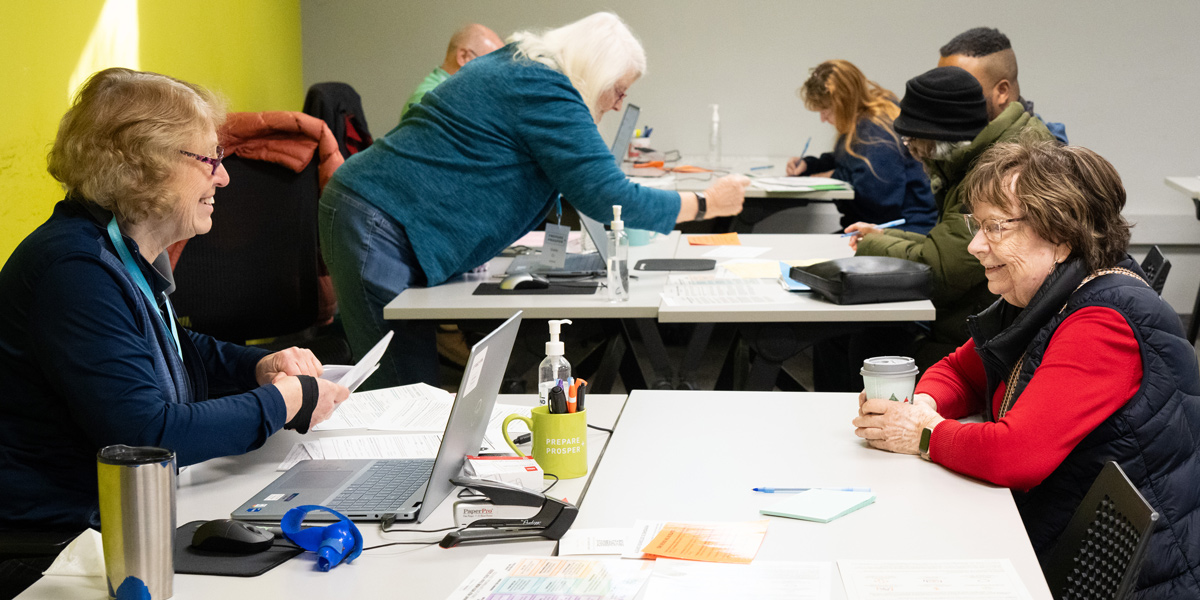
P+P tax clinic

Customers and volunteer tax preparers at a P+P tax clinic. Photo courtesy of P+P.

Prioritizing taxpayers with low and moderate incomes fills a real gap.

P+P has been providing quality, reliable, and trustworthy resources for 50 years. It’s grown from an all-volunteer tax clinic in 1971 to the state’s largest connector of taxpayers and refundable tax credits for which they’re eligible—and a nationally recognized model for building financial knowledge in underserved communities.

P+P’s team of more than 300 IRS-certified advisors share their expertise through tax clinics at partner sites and pop-up clinics. Sites are strategically located in neighborhoods that predatory financial institutions (for example, payday lenders and check-cashing outlets) tend to target.

Many of P+P’s customers are people living with disabilities, immigrants and refugees, and senior citizens who are homebound—and the majority are under-resourced and facing barriers to accessing financial services, including those posed by immigration policy.

Immigrant communities experience a higher level of financial insecurity and inequity.

Access for immigrant communities is about building trust and bridging language barriers, in addition to affordability. There’s also a need for security, especially since early 2026 when Operation Metro Surge disrupted daily routines and exacerbated the fears of Minnesota’s immigrant communities.

blank plug

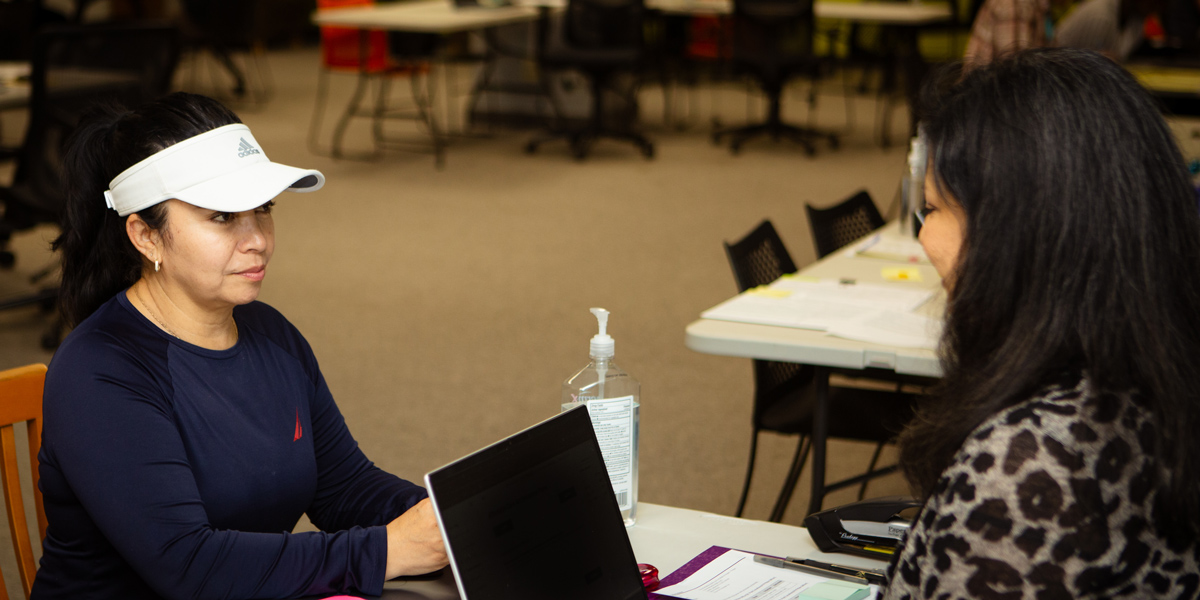
A self-employment tax clinic customer consults with P+P staff member Kathia Ordoñez (right). Photo courtesy of P+P.

Among the 13,000 individuals and families P+P served in 2025 were immigrants and undocumented workers. The vast majority are in jobs where the demand for workers outstrips supply (for example, nursing and home healthcare, manufacturing, construction, and childcare).

While that work generates significant revenue in local economies, workers often see a disproportionately small benefit from that work because they’re excluded from or unable to access most public benefits.

Among the 13,000 individuals and families P+P served in 2025 were immigrants and undocumented workers. The vast majority are in jobs where the demand for workers outstrips supply.

P+P is using the Foundation’s general operating grant to deepen its existing services while expanding its reach and broadening access. Thompson says P+P aims to bring language-based initiatives to other Minnesotans whose first language isn’t English. For example, its Crecimiento Latino (“Latino community growth”) tax site is designed to provide a welcoming and holistic experience for Spanish speakers.

decorative mark
Extraordinarily difficult times continue, further amplifying the need for our grantee partners’ leadership in their communities.

Our 2025 commitment to doubling our grantmaking budget continues in 2026 and carries forward efforts to help our grantee partners meet the pressing needs of their communities during these times.

In the first quarter of this year, $7.8 million was awarded through 35 grants, six of which were cost amendments to expand existing funding commitments. In addition to P+P, Q1 grantee partners include:

Iowa Coalition Against Domestic Violence of Des Moines, IA: $350,000 of general operating support over two years to enhance survivor-centered advocacy and direct services to Iowans and communities affected by domestic violence

Warm Springs Community Action Team of Warm Springs, OR: $600,000 over three years to support its core initiatives in asset building, workforce development, and small business growth within the tribal community

For more context about our recent grantmaking or the Foundation’s mission and approach, contact Paul Bachleitner, communications director, at pbachleitner@nwaf.org.

In Other News
Check out these recent posts that reflect the Foundation’s work so far this year.
Iowa cornfield

Federal agricultural policies and agency staffing cuts are a growing challenge in rural America.

NWAF Staff Members Alli Naithani, Maya Beecham, Melissa Rudnick, NWAF Staff Members

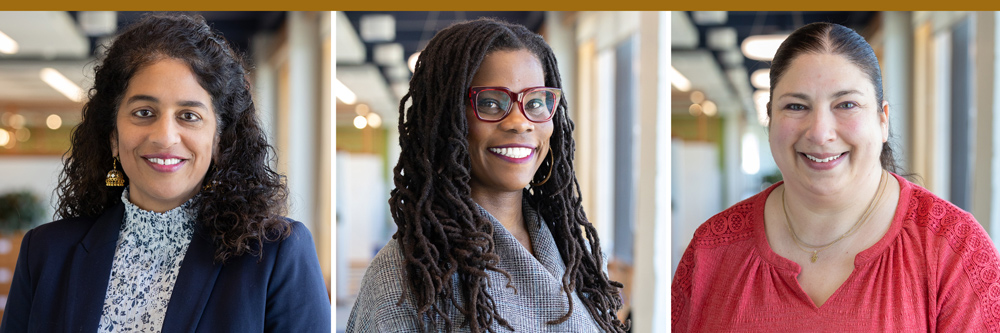
The Foundation welcomes Alli Naithani, Maya Beecham, and Melissa Rudnick.

Midtown Global Market

Aggressive immigration enforcement tactics harm families and also strain their finances and the economies of entire communities.

Share This Page