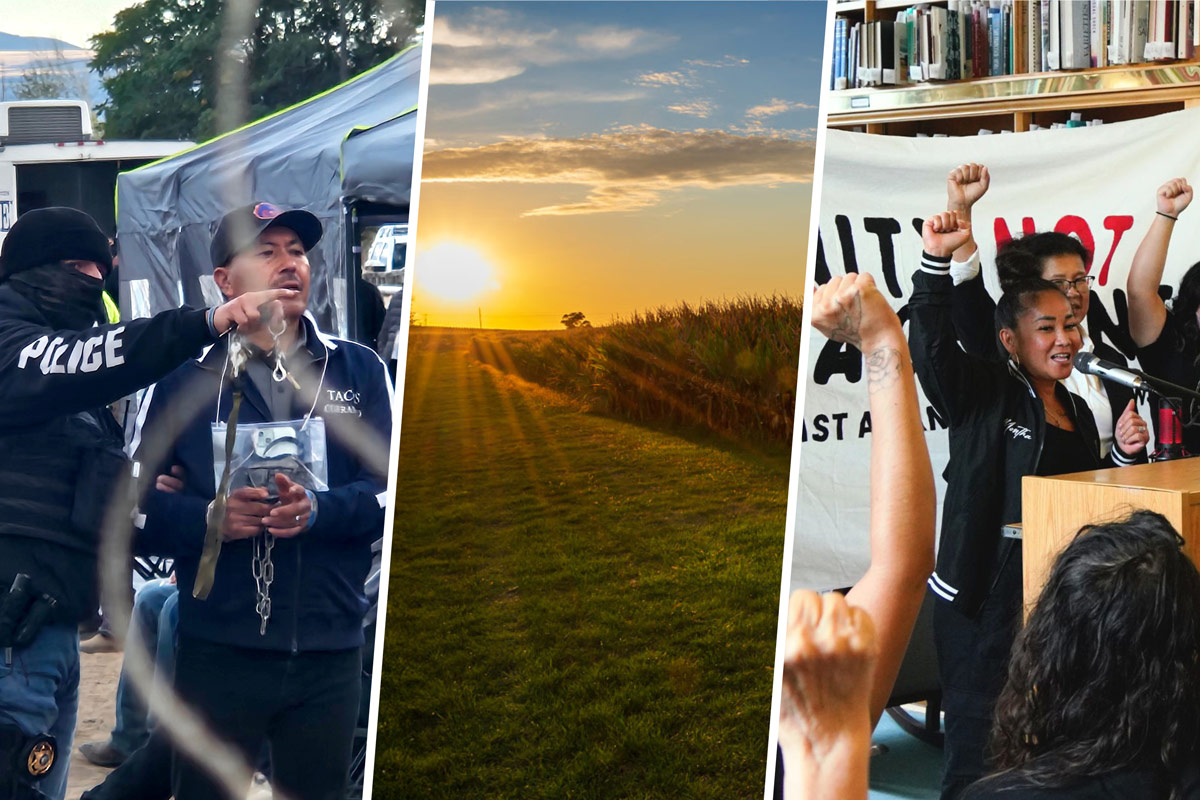
From Idaho and Minneapolis to rural and urban areas across the country, fear has permeated far beyond those targeted for deportation.

Get updates, on the When Policy Hits Home series and more
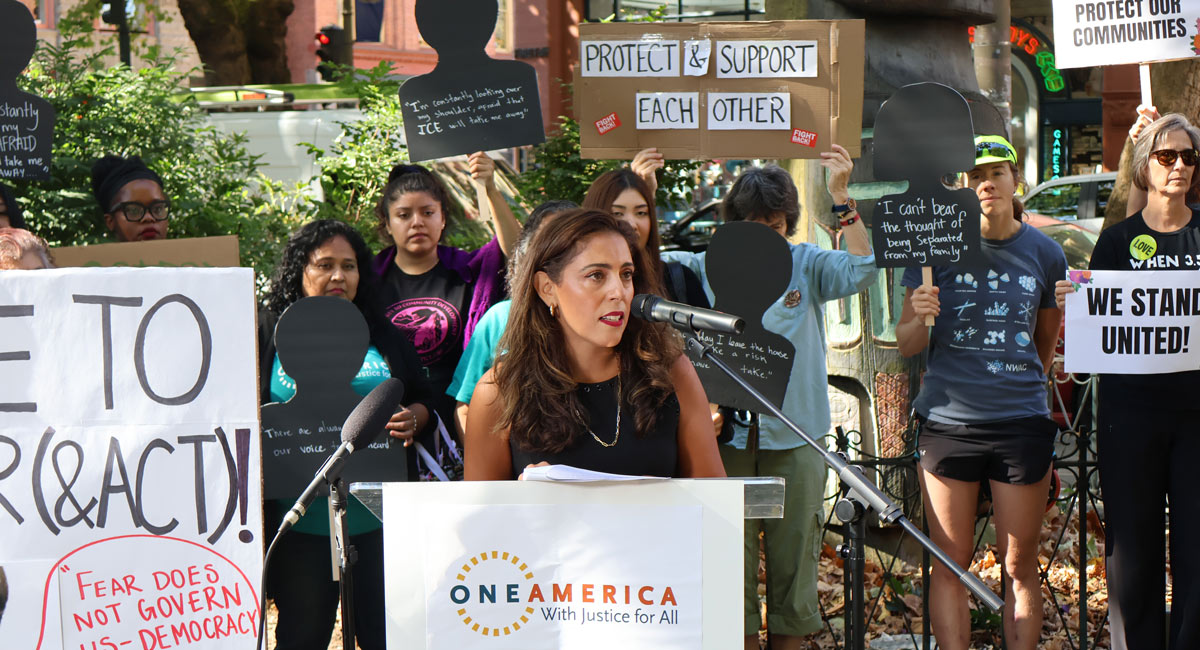
OneAmerica’s executive director Roxana Norouzi speaks at a rally in downtown Seattle, calling for stronger data privacy protections for the state’s immigrants and refugees. Photo courtesy of OneAmerica.
Often people who are fighting deportation were born in refugee camps and would be returning to countries in which they never lived and whose language they don’t speak.

Family members rally to demand the release of eight Cambodian Americans from Minnesota—collectively known as the MN8—during the #ReleaseMN8 campaign in 2016. Photo courtesy of Thaiphy Phan-Quang.
“We want to offer a road map on how to combat these kinds of civil rights abuses. We also want to show people facing these unjust actions that they are not alone, and they are not forgotten. There are people who are with them.”
Leo Morales
Executive Director, ACLU of Idaho

ACLU of Idaho Files Lawsuit Over Wilder Raid
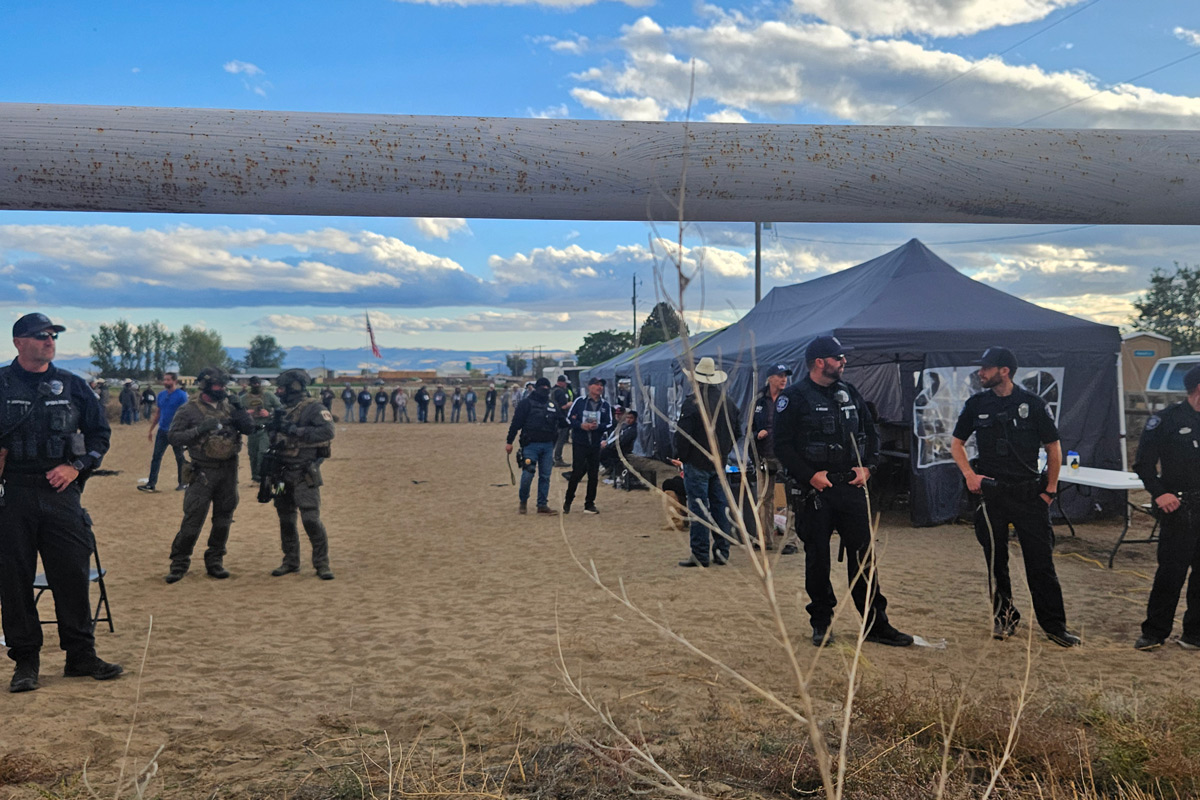
On February 10, the ACLU of Idaho filed a federal civil rights lawsuit against multiple federal, state, and local law enforcement agencies for their participation in the Wilder raid.
The suit, brought on behalf of three Latino families with support from the ACLU’s national Criminal Law Reform Project, alleges that officers used a narrow warrant tied to five people suspected of gambling offenses as a pretext for a sweeping immigration enforcement action. According to the complaint, more than 200 agents deployed tactics not seen in routine warrant executions, including the use of an armored vehicle, a helicopter, and flashbang grenades. They detained hundreds of people.
Most of the detainees, including children and the elderly, were US citizens or lawful permanent residents. The suit says that those who appeared to be Latino were treated more harshly than those who appeared to be white. It also alleges that federal and local agencies coordinated the planning. The claim is brought under civil rights laws, including a provision of the Civil Rights Act of 1871 that prohibits conspiracies to deprive individuals of constitutional rights.
“There is no undoing the trauma inflicted on the families affected that day. But accountability is how we make clear that what happened in Wilder was unlawful, and that it cannot become a blueprint for policing in communities across the country,” said ACLU lawyer Jenn Rolnick Borchetta.
Litigation is ongoing.
Share This Page
Reporting on this story was provided by freelance journalist Kerri Westenberg.