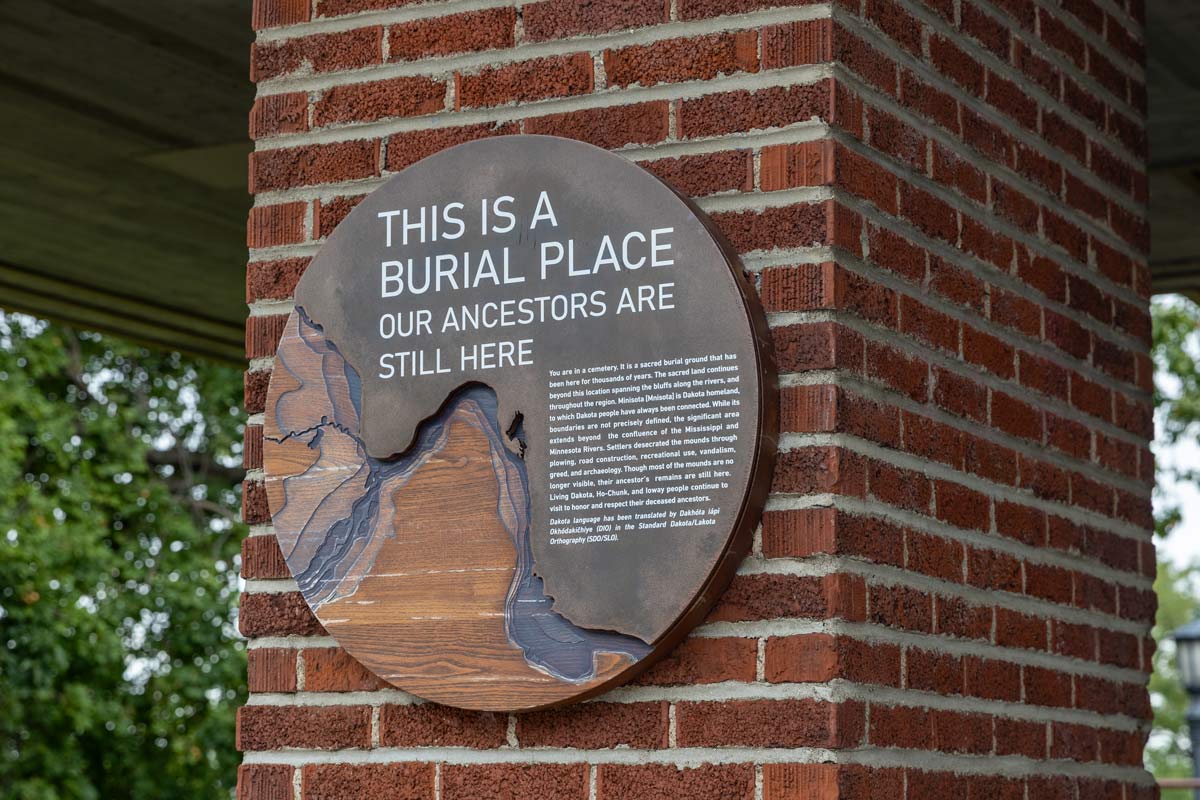
Westward expansion of the United States was profoundly destructive to Indigenous people, whose sovereign nations have existed for far longer than the United States. Native peoples’ systems of self-governance, their cultures, their prosperity, and their lives were damaged or destroyed in the name of “progress.” This dynamic is not unique to our founding family but is a core element of the American story. Nor were Native Americans alone in this dynamic, although their standing as sovereign nations is unique. Communities of color, immigrants, and refugees were also exploited as the United States expanded.
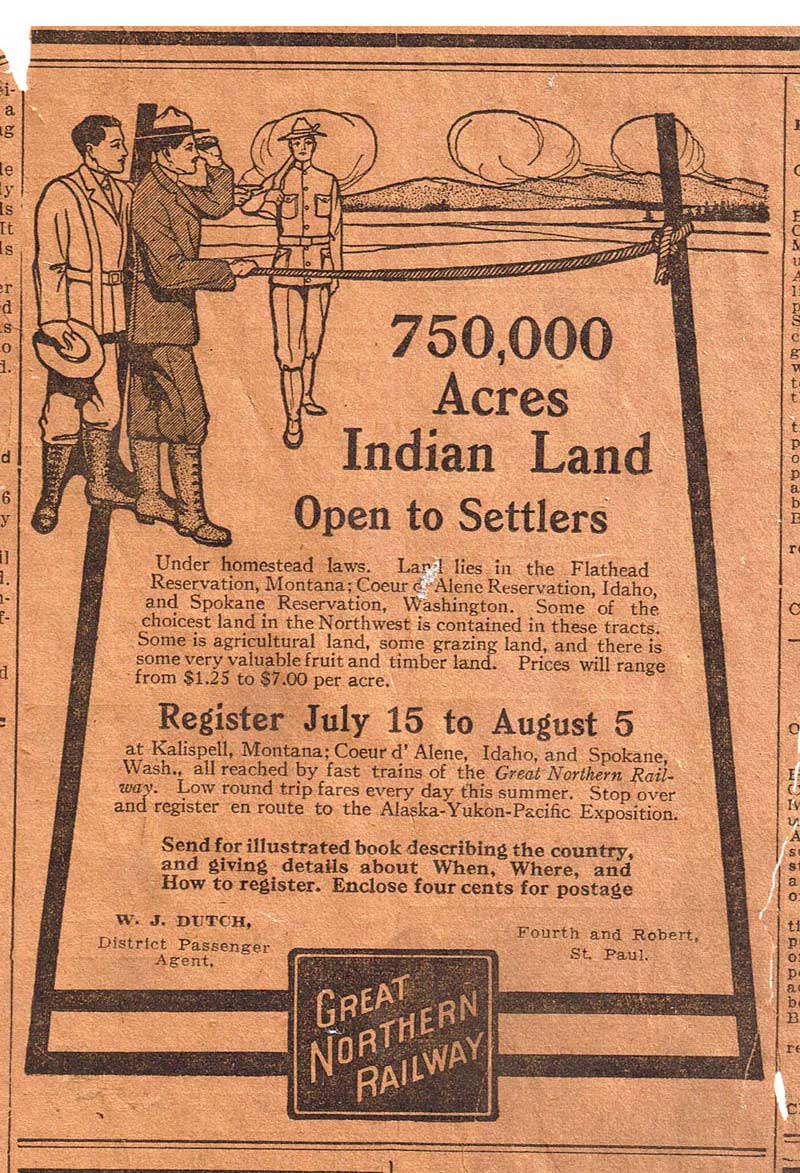
The taking of Native land by the United States government in the 1800s was driven by economic industries of timber, the mining of gold and other natural resources, agriculture, access to rivers and waterways, hydropower with dams, and railroads. The United States government was able to take Native land through numerous methods, including nation-to-nation treaties that the U.S. subsequently violated, laws that forced Native people’s removal, Supreme Court cases, The Homestead Act of 1862, and the Dawes Act of 1887.
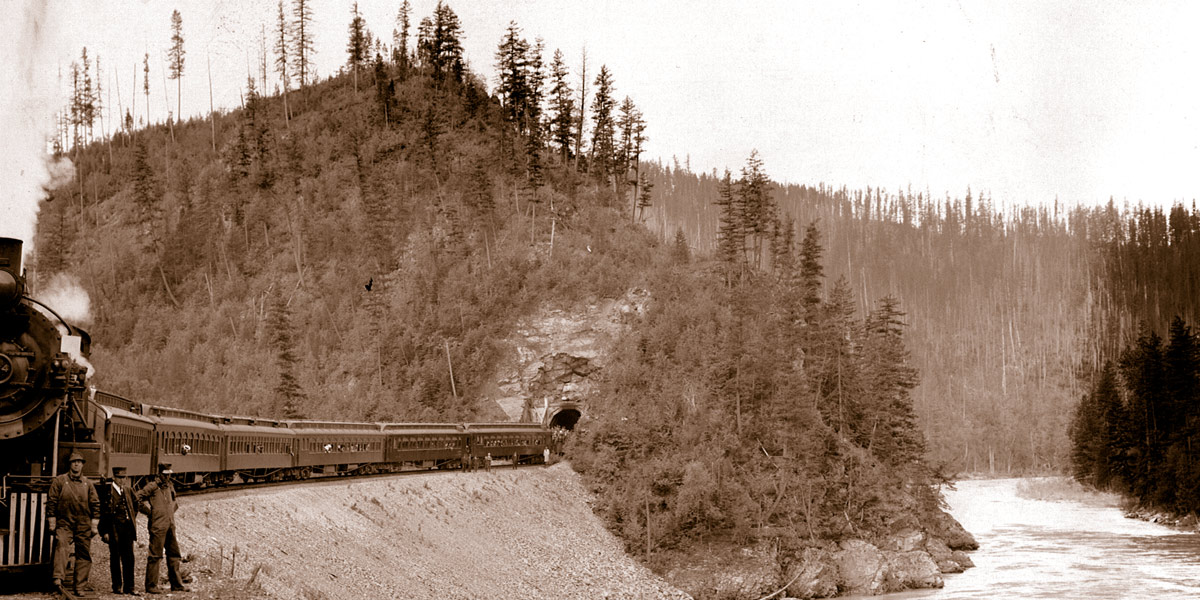
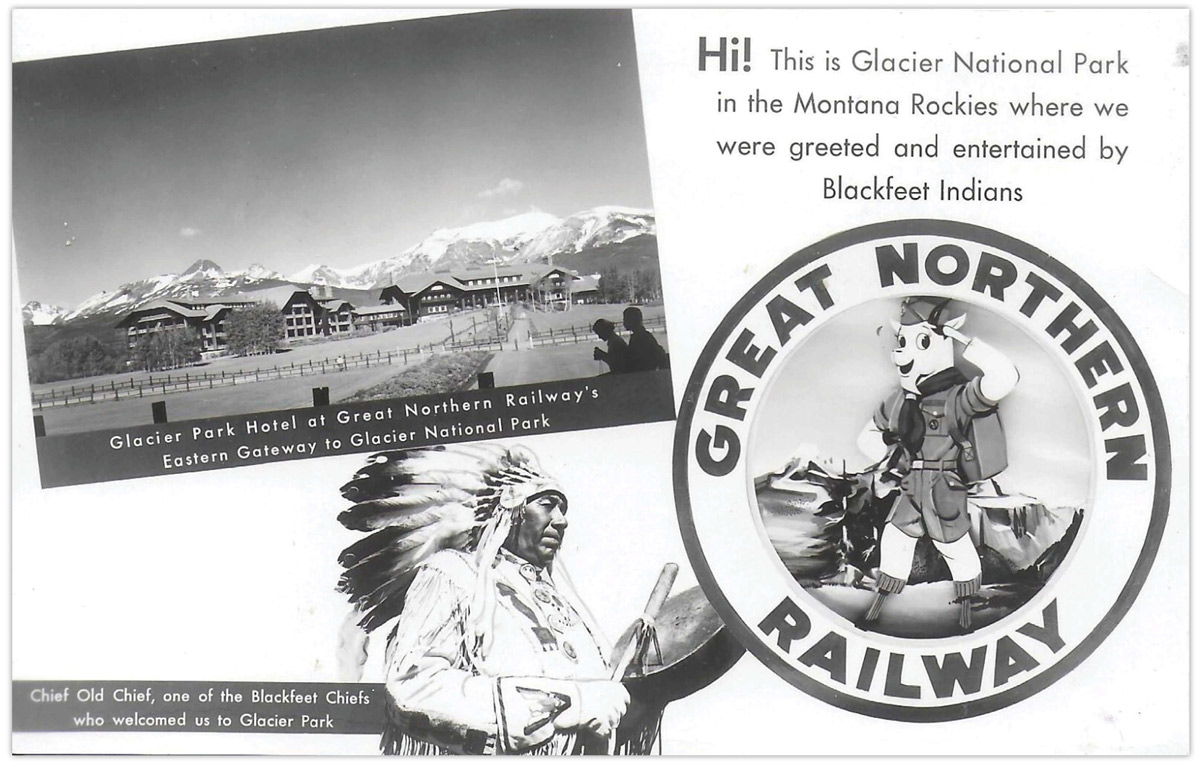
James J. Hill and his son, Louis W. Hill, along with many other powerful individuals during this time, also contributed to Native land dispossession. Specifically, James J. Hill and Louis W. Hill were able to leverage their relationships in Congress to take away land from Blackfeet Nation (in Montana). They lobbied for legislation that allowed them to build lodges near the railroad, which encouraged tourism that benefited the railroad. The legislation also facilitated settlement by non-Native people and transportation for the timber and mining industries, farming, and ranching. The railroad also leveraged the appeal of Blackfeet people and culture to promote tourism. Many white settlers gained profits, land, and opportunity.